
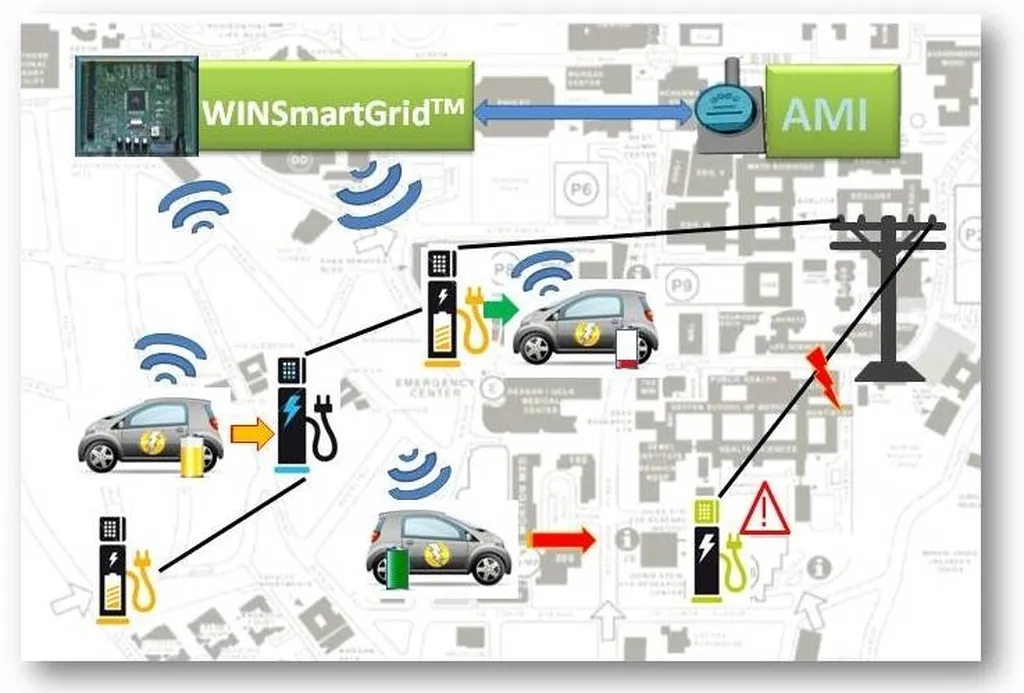
The integration of distributed energy resources, such as solar systems and electric vehicle (EV) chargers, presents significant challenges to power quality in distribution networks, including voltage fluctuations and increased power losses. Researchers from the University of California, Los Angeles (UCLA), including Rafi Zahedi, Amirhossein Ahmadian, Chen Zhang, Shashank Narayana Gowda, Kourosh SedghiSigarchi, and Rajit Gadh, have explored these issues and proposed a methodology to mitigate them. Their work, published in the IEEE Transactions on Sustainable Energy, focuses on the strategic use of residential battery storage to alleviate the need for costly grid upgrades.
The researchers emphasize the allocation of a Permitted Percentage (PP) of battery-based solar systems within residential areas equipped with storage capabilities. This approach is designed to be adaptable to the evolving landscape of electric transportation, particularly with the anticipated increase in electric trucks. By strategically managing the charging and discharging of batteries, utilities can enhance grid resilience and meet the growing demands of new EVs.
To validate their model, the researchers conducted rigorous simulations using the IEEE 33-bus distribution network as a testbed. They employed advanced Particle Swarm Optimization techniques to determine the optimal charging and discharging commands for energy storage systems. The simulations revealed the transformative potential of various PP allocations, highlighting the balance between non-battery-based and battery-based solar residences.
The study underscores the need for carefully crafted approaches to navigate the complexities of modern grid dynamics amidst the rise of electric vehicles. By optimizing the use of residential battery storage, utilities can mitigate voltage deviations and power losses, ultimately reducing the need for expensive grid upgrades. This research provides a practical framework for the energy sector to integrate distributed energy resources more effectively, ensuring a stable and resilient power supply.
This article is based on research available at arXiv.