
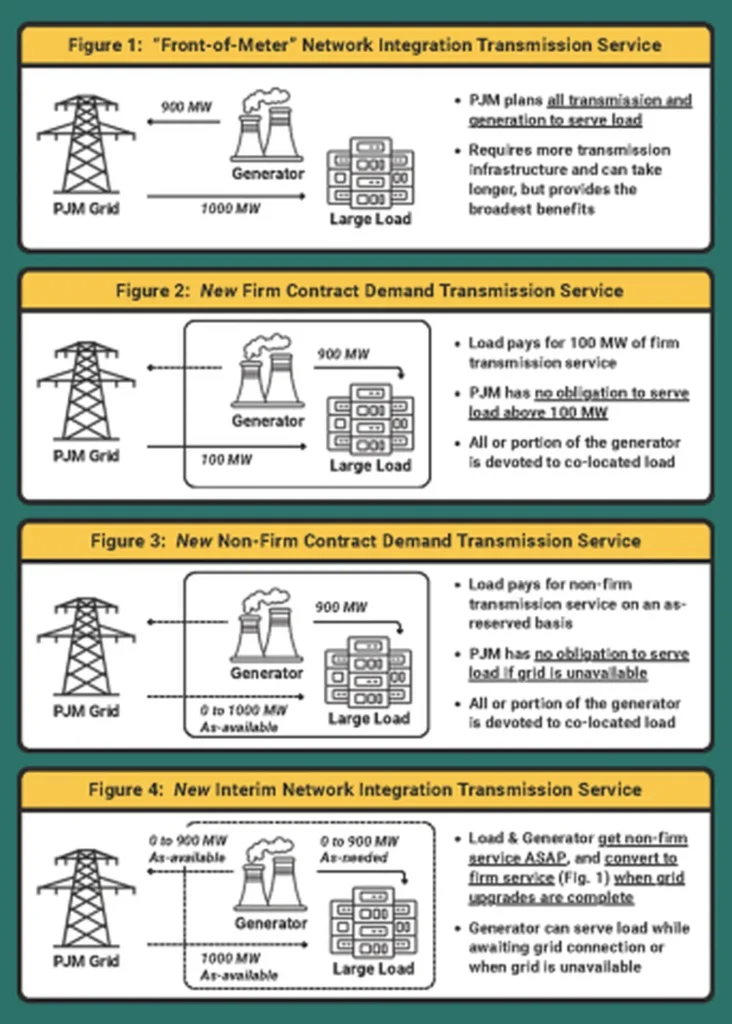
The Federal Energy Regulatory Commission (FERC) has directed PJM Interconnection, the largest grid operator in the U.S., to reform its tariff to accommodate the rapid rise of co-located generation and load—a move that could reshape how renewable energy projects connect to the grid and accelerate the transition to a more flexible, resilient power system. This landmark decision, announced in January 2026, mandates PJM to file new rules by February 17, 2026, addressing the surge in behind-the-meter generation and the need for streamlined interconnection processes. The ruling is a direct response to mounting delays in traditional front-of-meter interconnection queues, which have become a major bottleneck for clean energy deployment across PJM’s 13-state footprint.
At its core, FERC’s order recognizes that co-location—where generation and load are physically and electrically close—can reduce grid congestion, lower transmission costs, and improve reliability. However, current tariff structures often penalize or fail to incentivize such arrangements, leading to inefficiencies and missed opportunities for decarbonization. The new rules will require PJM to define clear terms for “Eligible Customers” taking transmission service on behalf of co-located loads, establish penalty rates for excess withdrawals, and create a transition period for existing behind-the-meter generation contracts. This approach aims to provide regulatory certainty while avoiding sudden disruptions to ongoing projects.
Industry experts highlight the significance of this shift. “This is a game-changer for project developers and corporate energy buyers,” said a senior attorney at K&L Gates. “By formalizing co-location rules, FERC is not only reducing interconnection backlogs but also enabling more efficient use of existing infrastructure, which is critical for meeting state and federal clean energy targets.” The order also reflects a broader trend: as renewable penetration grows, grid operators must evolve from static, one-size-fits-all interconnection models to dynamic, location-aware frameworks that reward flexibility and local balancing.
The implications extend beyond PJM. Other regional transmission organizations are watching closely, and similar reforms could follow, especially as states and corporations push for faster, cheaper renewable integration. For engineers and policymakers, the challenge now is to design tariffs that balance fairness, reliability, and innovation—ensuring that co-location delivers on its promise without compromising grid stability. If successful, this policy could become a blueprint for modernizing interconnection nationwide, marking a pivotal step toward a more adaptive and sustainable energy future. Sources: [K&L Gates, Lexology, Stoel Rives LLP].