
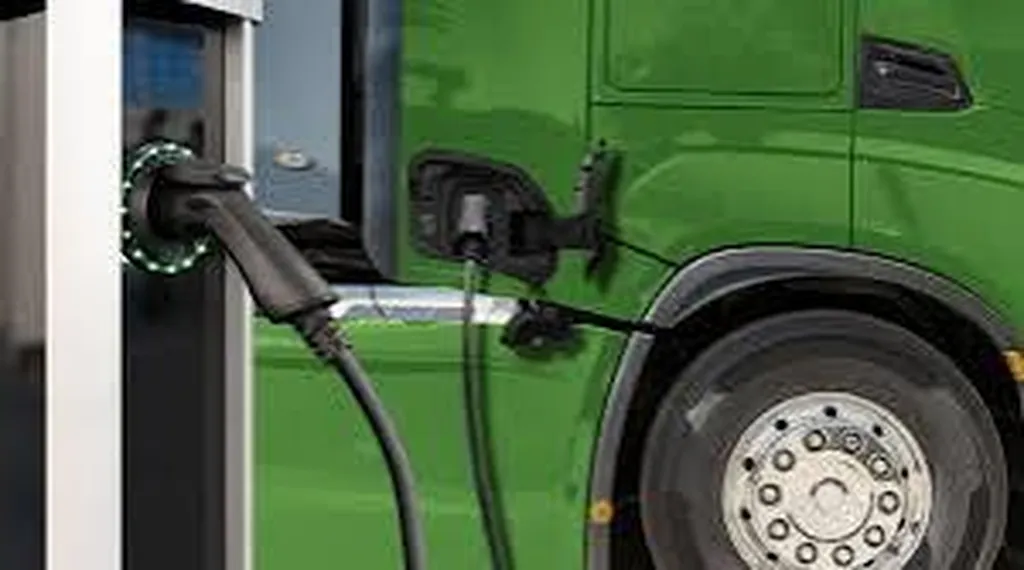
Researchers from the Delft University of Technology, including M. Izadi, D. Fernandez Zapico, M. Salazar, and T. Hofman, have developed a new approach to optimize the design and operation of Charging Energy Hubs (CEHs) for heavy-duty electric transport. Their work, published in the journal Applied Energy, addresses the challenges of integrating electric heavy-duty vehicles into the power grid.
As the transportation sector increasingly shifts towards electrification, the demand for charging infrastructure is growing rapidly. However, the high power requirements of heavy-duty vehicles can strain distribution grids, leading to potential reliability and stability issues. CEHs aim to mitigate these impacts by combining charging infrastructure with renewable energy sources and battery storage. The key challenge is to determine the optimal size of these components to ensure cost-efficiency, scalability, and grid compliance.
The researchers developed a mixed-integer linear programming model that jointly optimizes the sizing of CEH components and operational decisions. This co-design approach considers the operational dynamics of the system, allowing for more accurate and efficient planning. The model takes into account various factors, such as the fleet size, charging patterns, renewable energy availability, and grid constraints, to determine the optimal configuration of the CEH.
In a case study, the researchers demonstrated the effectiveness of their method for a heavy-duty fleet. They found that the co-design approach led to significant cost savings compared to traditional methods that separate design and operational decisions. Moreover, the optimized CEH design ensured grid compliance, reducing the risk of overloading the distribution grid.
The practical applications of this research are significant for the energy sector. As electric heavy-duty vehicles become more prevalent, utilities and infrastructure providers will need to invest in charging infrastructure that is cost-efficient, scalable, and grid-friendly. The co-design approach developed by the researchers can help guide these investments, ensuring that CEHs are optimally sized and operated to meet the growing demand for electric transport.
In summary, the research provides a valuable tool for planning and optimizing CEHs, addressing a critical need in the transition towards electrified heavy-duty transport. By integrating renewable energy sources and battery storage, CEHs can support the grid and facilitate the adoption of electric vehicles, contributing to a more sustainable and resilient energy system.
This article is based on research available at arXiv.