
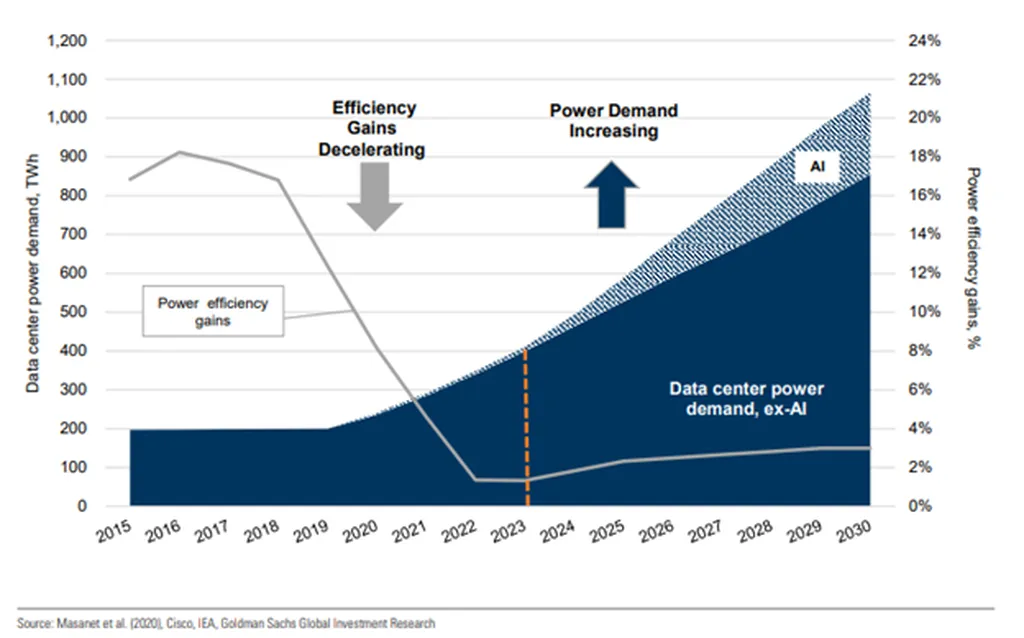
The artificial intelligence (AI) boom is set to drive a significant increase in electricity demand, presenting utilities with a complex challenge: modernize grids, integrate distributed energy resources, and manage escalating costs—all while keeping the lights on. Paradoxically, AI itself may offer solutions to these very challenges. AI platforms can monitor grid failures, predict demand surges, and optimize system efficiency, potentially mitigating the strain caused by AI’s own power hunger.
However, utilities have historically been cautious adopters of new technologies, preferring to follow rather than lead. As IBM’s energy industry GM noted, this reluctance stems from the critical nature of their operations. Yet, by observing how other sectors leverage AI, utilities can accelerate their own adoption, moving from experimentation to tangible value.
The automotive industry, for instance, uses AI-driven computer vision to inspect parts and detect defects. Utilities can adapt this technology to monitor transmission lines, substations, and remote infrastructure through high-resolution cameras, drones, or video feeds. AI models trained to detect anomalies—such as bent hardware, loose fittings, or vegetation encroachment—can trigger real-time alerts, enabling early intervention and reducing downtime.
In fire-prone regions, AI models analyze imagery and drone footage to monitor wildfire ignition risks. Utilities can apply similar models to scan video or still-image feeds of high-risk zones, flagging signs of risk like heat anomalies, smoke, or compromised structures. Automating the decision chain can trigger immediate inspections when risk thresholds are crossed, enhancing safety and efficiency.
Retail and telecom industries use AI bots and algorithms to improve customer experience and optimize system design. Utilities can deploy conversational AI systems to handle routine customer inquiries, freeing human staff for complex issues. AI can also assist in system planning, generating alternative layouts, cost-performance tradeoffs, and materials requirements, enabling planners to evaluate more options faster.
Manufacturers use AI to track inventory, forecast parts demand, and optimize supply chains. Utilities can implement AI to monitor critical spare-parts inventories, forecast demand based on outage history and weather cycles, and automatically trigger restocking or supplier sourcing. AI can also evaluate multiple suppliers, lead times, and cost options in near real-time, optimizing inventory management.
Utilities have invested heavily in sensors, smart meters, and grid software, but the challenge now is to act on this data effectively. AI-driven analytics can move beyond static dashboards, recommending next steps or automatically triggering actions. By analyzing historical and real-time data, AI can forecast equipment failure, system stress, and demand peaks, enabling proactive intervention and operational efficiencies.
The adoption of AI in utilities is not a fad but a strategic necessity as power demand surges. However, utilities must navigate the fear factor associated with implementing new technologies, especially those involving critical infrastructure and sensitive customer data. Learning from other industries can provide a roadmap for utilities to harness AI’s potential, ensuring a reliable and efficient power grid for the future.