
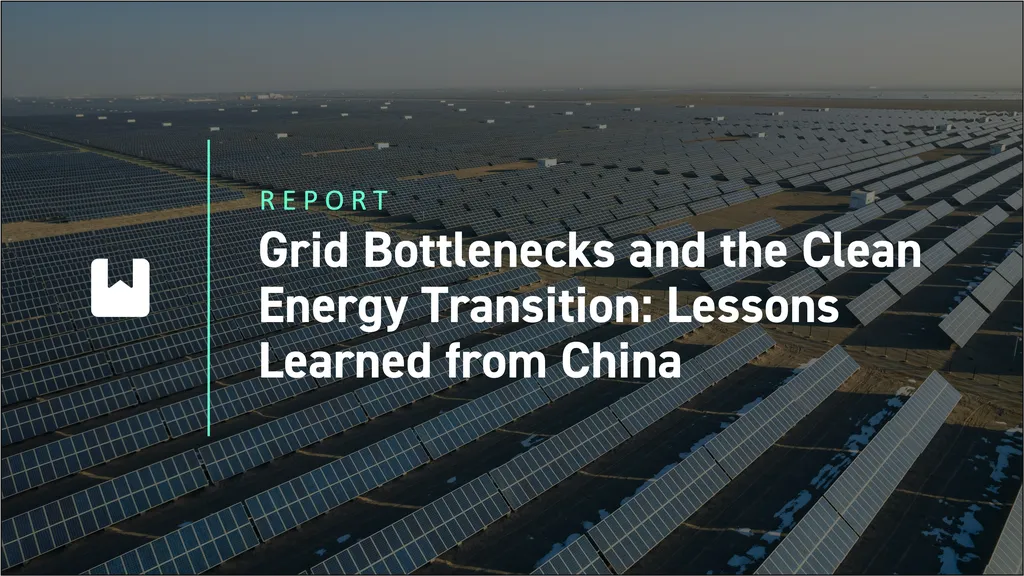
The global shift to clean energy is accelerating, driven by the declining costs of renewables and surging demand. Yet, this transition is hitting a significant roadblock: grid infrastructure is struggling to keep pace. The imbalance between renewable energy generation and grid investment is creating bottlenecks and risks to energy security, with transformer shortages and outdated grids posing particular challenges in the U.S. and Europe.
In the United States, transformer shortages are expected to persist for years, with demand outstripping supply. Power transformer demand has surged by 116% since 2019, while distribution transformer demand has climbed 41%, according to Wood Mackenzie. Utilities are increasingly relying on imports to meet project deadlines, with imports expected to fulfill 80% of the U.S. power transformer market and half of the distribution transformer needs by 2025. This imbalance is driving up costs, extending lead times, and delaying the integration of new power plants.
The situation is complex, with some industry observers challenging the narrative of a true transformer shortage, suggesting that procurement practices may be at the root of the problem. Regardless of the underlying cause, the result is the same: significant delays in bringing new electricity online, with potential repercussions for national energy security.
The crisis has been exacerbated by years of insufficient investment in domestic manufacturing, a rapid increase in post-pandemic construction and electrification, and volatile markets for key materials like grain-oriented electrical steel and copper. These challenges show little sign of abating, suggesting that delays in transformer availability will persist.
Major manufacturers like Hitachi are adopting a cautious approach, investing in new transformer production only when purchases are guaranteed by buyers. Hitachi Energy CEO Andreas Schierenbeck notes that there is little appetite for speculative investment in new facilities. Through buyer-backed agreements, Hitachi has committed $1 billion to expand manufacturing in the U.S. However, Schierenbeck acknowledges that these efforts may not be sufficient to bridge the gap between supply and demand.
The implications for the energy market are significant. The delays in transformer availability could slow the integration of new renewable energy projects, potentially impacting the pace of the energy transition. Moreover, the reliance on imports for transformers could expose the U.S. to supply chain vulnerabilities, particularly in the event of geopolitical tensions or trade disruptions.
The transformer crisis also highlights the need for greater investment in grid infrastructure. As the energy mix becomes increasingly decentralized and intermittent, the grid must evolve to accommodate these changes. This will require significant investment in not only transformers but also in grid modernization, energy storage, and smart grid technologies.
The current crisis also underscores the importance of strategic planning and coordination among stakeholders. Governments, investors, and industry leaders must work together to address the underlying causes of the transformer shortage and ensure that grid infrastructure keeps pace with the energy transition.
In the meantime, utilities and energy companies must navigate the challenges posed by the transformer shortage. This may involve revisiting procurement practices, exploring alternative solutions, and investing in grid modernization to mitigate the impacts of the shortage.
The transformer crisis is a stark reminder that the energy transition is not just about generating clean energy; it’s also about ensuring that the grid can handle the changes. As the world continues to shift towards renewables, the need for robust, resilient, and flexible grid infrastructure will only grow. The current crisis is an opportunity for the sector to reflect, innovate, and build a grid that can support the energy transition and ensure energy security for all.