
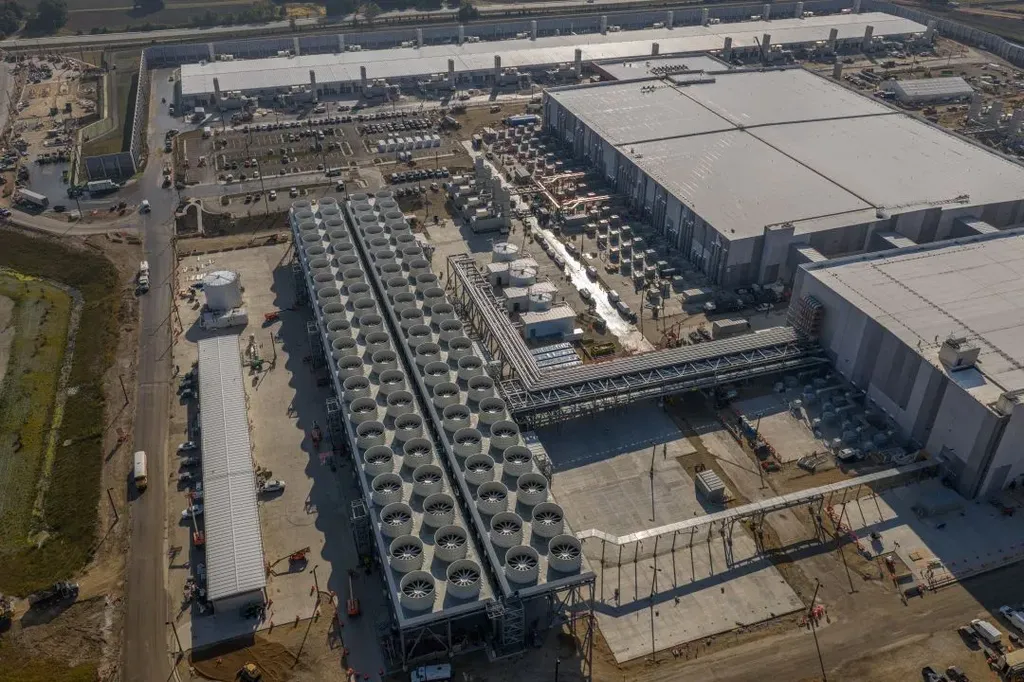
Microsoft has taken a significant step in addressing the growing concerns around the impact of AI-driven data center expansion on local communities and grid infrastructure. The tech giant has committed to a comprehensive framework that ensures its data centers will not drive up residential utility rates, marking the first time a major hyperscaler has publicly pledged to tie AI data center growth to cost-recovery rate design.
In a Jan. 13 policy blog outlining its “Community-First AI Infrastructure” initiative, Microsoft outlined a four-step plan to manage the local impacts of rapid AI-driven data center expansion. The plan includes paying for the electricity costs its data centers create, collaborating with local utilities to plan and fund grid upgrades, pursuing efficiency improvements, and advocating for accelerated permitting and interconnection.
“Like major buildouts of the past, AI infrastructure is expensive and complex. Investments are advancing at a rapid pace. Today, these require large-scale spending by the private sector in land, construction, electricity, liquid cooling, high-bandwidth connectivity, and operations,” wrote Microsoft Vice Chair and President Brad Smith. “This revives a longstanding question: how can our nation build transformative infrastructure in a way that strengthens, rather than strains, the local communities where it takes root?”
Microsoft’s commitment comes amid mounting grid constraints, aging transmission infrastructure, supply chain shortages, and long permitting timelines. The company acknowledged that large-scale data center growth will be sustainable only if hyperscalers assume responsibility for the electricity systems and public resources required to support that growth.
“Some have suggested that AI will be so beneficial that the public should help pay for the added electricity the country needs for it. We believe in the benefits AI will create, but we disagree with this approach,” Smith said. “Especially when tech companies are so profitable, we believe that it’s both unfair and politically unrealistic for our industry to ask the public to shoulder added electricity costs for AI. Instead, we believe the long-term success of AI infrastructure requires that tech companies pay their own way for the electricity costs they create.”
Microsoft’s plan includes asking utilities and state commissions to set rates high enough to cover the electricity costs for its data centers, including both energy and the dedicated infrastructure needed to serve them. The company is also collaborating with local utilities to plan for additional generation, transmission, and substation capacity and to directly fund grid upgrades where its projects drive the need. Additionally, Microsoft is pursuing innovation to make its data centers more efficient and pushing for federal and state policies that accelerate project permitting and interconnection of electricity projects.
Beyond power, Microsoft’s framework includes commitments on water stewardship, workforce and apprenticeship programs near data centers, paying full local property taxes without seeking abatements, and investing in AI training, library-based learning hubs, small-business upskilling, and nonprofit partners in host communities.
Microsoft’s move comes one month after Amazon released a company-commissioned analysis asserting its existing data centers already “fully pay for their own electricity costs” and generate surplus revenue that utilities can reinvest in the grid. However, Microsoft’s commitment goes further, asking regulators to embed the principle of hyperscale data centers “paying their way” in future rate design through bespoke large-load tariffs, higher prices, and direct grid investments.
This development could shape the future of the sector by setting a precedent for other hyperscalers to follow. It also highlights the need for regulators to consider the broader transmission and new generation build-out required to serve aggregate data center growth across a utility territory. As federal and state scrutiny over who should pay for the grid infrastructure required to serve AI data centers escalates, Microsoft’s commitment could spark a broader debate and drive meaningful change in the sector.