
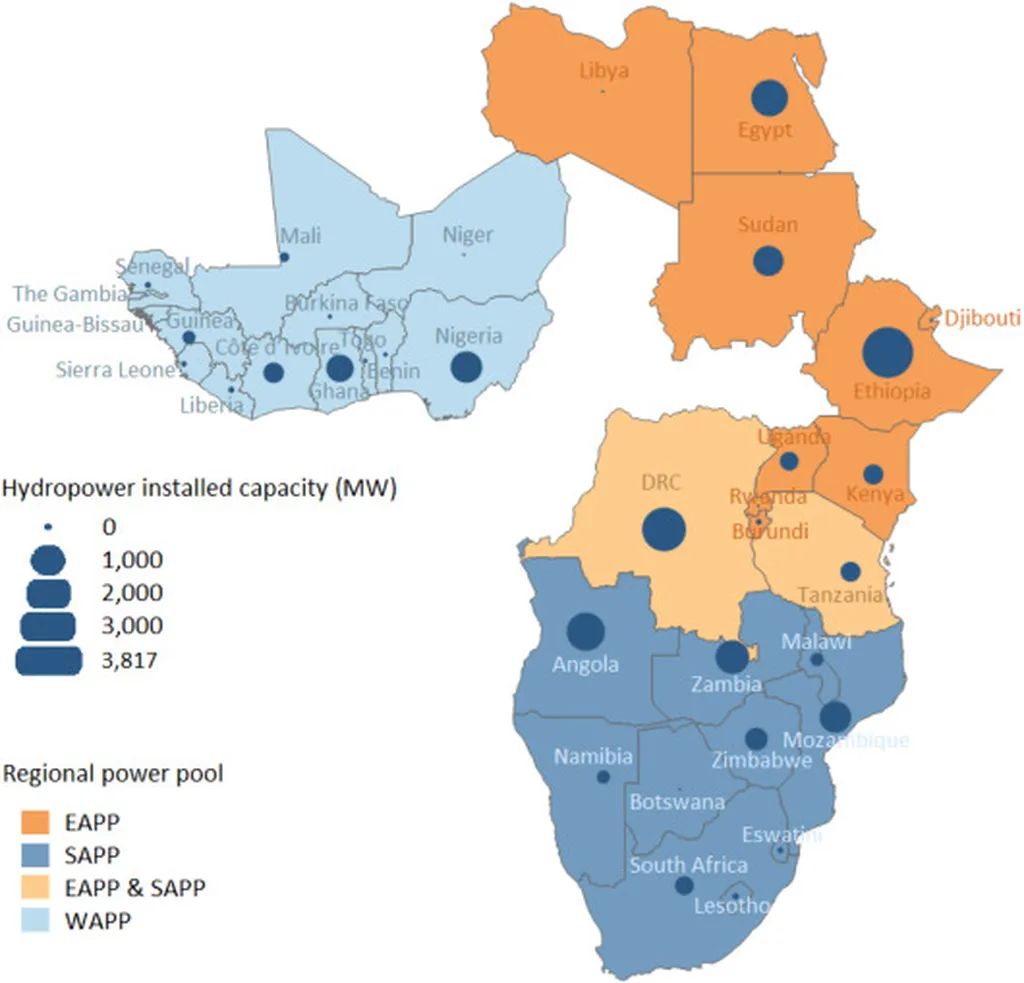
The evolving landscape of cross-border energy infrastructure in Africa, particularly through regional power pools like the Southern African Power Pool (SAPP) and Eastern African Power Pool (EAPP), is reshaping the continent’s energy markets and industrial competitiveness. This transformation, driven by both private capital and multilateral development financing, signals a departure from isolated national grids towards interconnected systems that can better serve resource-intensive industries and enhance economic resilience.
The strategic positioning of transmission infrastructure is creating opportunities for risk diversification that extend beyond simple capacity expansion. Seasonal generation complementarity, load balancing, emergency backup capacity sharing, and renewable energy trading are among the key market dynamics driving regional integration. The acceleration of these projects, with major interconnections advancing from planning to operation within 5-7 year cycles, suggests that African power markets are maturing at a faster pace than historical precedents like Europe’s 25-year integration timeline.
The competition between private sector initiatives and institutional development projects is introducing new market dynamics. Private sector advantages, such as streamlined decision-making processes and market-responsive project sizing, are being weighed against the sovereign risk mitigation and regulatory coordination provided by multilateral development institutions. This financial competition is likely to drive innovation in project structuring and financing, potentially leading to more efficient and effective transmission infrastructure development.
The mining sector’s energy security requirements are also driving infrastructure investment. As copper production expands, mining companies are seeking diversified power sources and direct power purchase agreements, viewing transmission infrastructure development as strategic investments rather than utility expenses. This shift could lead to increased private sector participation in transmission projects, particularly those that serve energy-intensive industries.
Climate vulnerability is accelerating the need for alternative energy infrastructure. The 2024 drought crisis in Zambia highlighted the risks associated with hydropower-dependent systems, prompting a shift towards generation portfolio diversification and regional cooperation. This trend is likely to continue as climate change exacerbates weather-related risks, driving demand for more resilient and interconnected energy systems.
The World Bank’s strategic shift towards regional infrastructure integration, as evidenced by its $292 million commitment across multiple East African transmission projects, reflects institutional recognition of the need for cross-border cooperation in energy security. This approach, supported by international development consensus, suggests that regional power market development has become a priority.
The emergence of Build-Operate-Transfer models, exemplified by Kanona Power Co.’s rapid development, indicates that regulatory frameworks are increasingly accommodating private sector infrastructure investment. This trend could lead to faster project delivery and more commercially viable transmission infrastructure, challenging traditional development models.
As these developments unfold, the African energy sector is likely to see increased private sector participation, accelerated project timelines, and a greater emphasis on regional integration. These shifts could enhance energy security, drive industrial competitiveness, and contribute to economic resilience across the continent. However, they also present challenges, including the need for regulatory harmonisation, risk mitigation, and equitable access to energy resources. As the sector evolves, stakeholders will need to navigate these complexities to ensure that the benefits of regional energy integration are widely shared.