
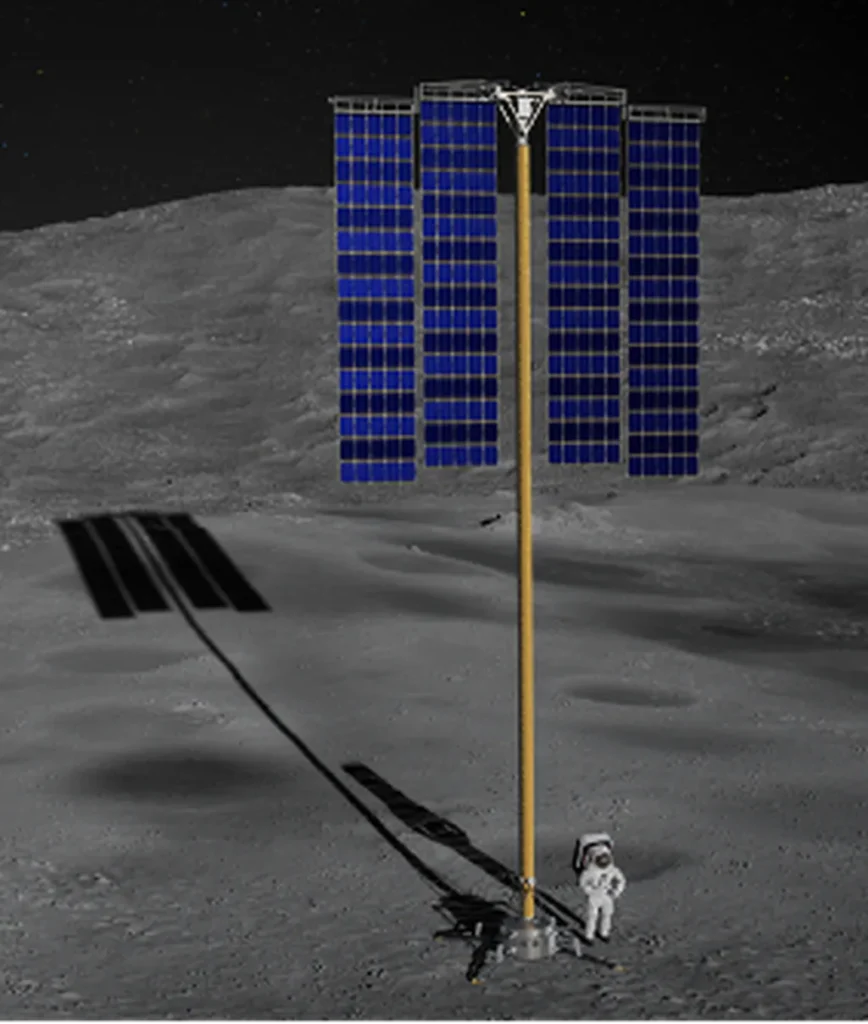
Researchers from Hokkaido University, Tohoku University, and Muroran Institute of Technology have been collaborating on the development of a 3U CubeSat named HOKUSHIN-1. This small satellite, measuring approximately 10x10x34 cm and weighing 3.99 kg, is equipped with deployable solar panels, a technology crucial for future lunar exploration missions. The team, led by Yuji Sakamoto and including Masaki Aoi, Sho Suzuki, Takumi Haga, Shumpei Hosokawa, Yuma Abe, Yuya Tasaki, Tsuyoshi Totani, Sou Nakamura, Masaharu Uchiumi, and Shinya Fujita, has conducted a comprehensive study on the system design and pre-flight evaluation of these solar panels.
The research, published in the Proceedings of the 35th International Symposium on Space Technology and Science, focuses on the structural and thermal analysis of the deployable solar panels, as well as a review of vibration test results. The panels are designed to provide the necessary power for communication and propulsion systems, which are essential for orbit control during lunar exploration missions. The satellite will be deployed into a circular orbit at an altitude of about 400 km with an orbital inclination of 51.6 degrees from the International Space Station.
The study highlights the importance of deployable solar panels in enhancing the capabilities of small satellites, particularly for power-intensive tasks. This technology could be beneficial for the energy sector, as it could potentially be used to power remote sensing equipment or communication systems in space, which are crucial for monitoring and managing energy resources on Earth. Furthermore, the compact and efficient propulsion system demonstrated by the satellite could also have applications in the energy industry, such as in the development of small, efficient power generation systems.
In summary, the research conducted by the team from Hokkaido University, Tohoku University, and Muroran Institute of Technology on the HOKUSHIN-1 CubeSat and its deployable solar panels provides valuable insights into the potential of small satellites for future space exploration missions. The findings could also have practical applications in the energy sector, particularly in the development of efficient power generation and communication systems.
This article is based on research available at arXiv.