
Researchers Matteo Vaccargiu, Azmat Ullah, and Pierluigi Gallo from the University of Cagliari in Italy have developed a new blockchain-based architecture designed to improve carbon credit certification systems, particularly for small and medium-scale renewable energy installations. Their work, published in the journal “Sustainable Energy, Grids and Networks,” aims to enhance the transparency and reliability of carbon credit certification, which is crucial for incentivizing emission reductions and supporting the transition to clean energy.
Carbon credit systems are policy tools used to encourage emission reductions by allowing entities to trade credits based on verified emission reductions. However, the certification process for these credits, especially for smaller renewable energy projects, has often lacked robust mechanisms to connect actual renewable energy production with verifiable emission reduction records. This is where the new architecture comes into play.
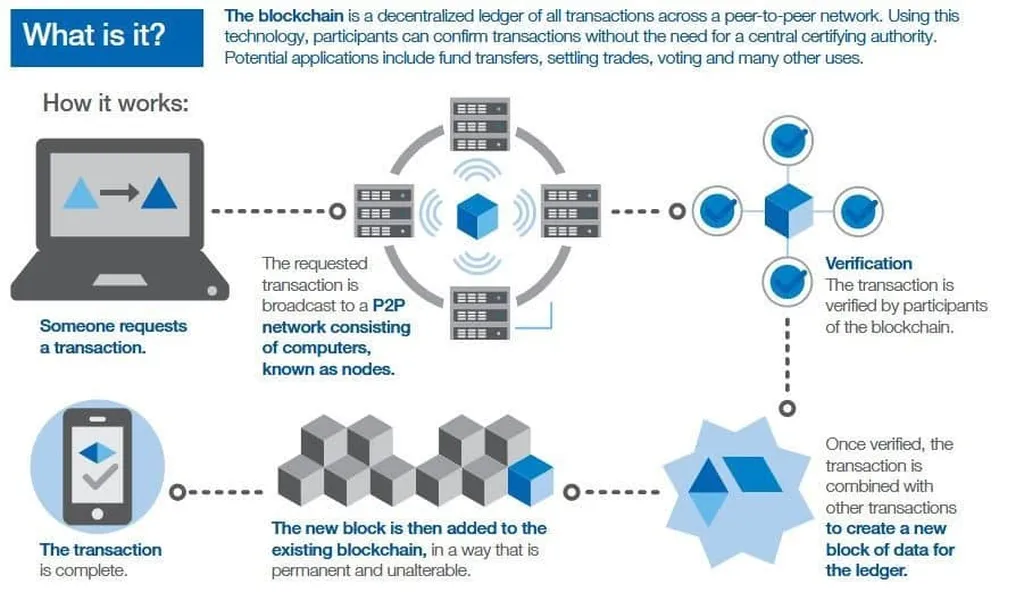
The researchers have introduced a blockchain-based system that integrates real-time data collection from Internet of Things (IoT) devices, edge-level data aggregation, and secure on-chain storage on a permissioned blockchain with smart contracts. This system is demonstrated through a case study involving a 100 kWp photovoltaic installation. Unlike other approaches that focus primarily on trading mechanisms, this architecture aligns with European legislation and voluntary carbon-market standards, providing a structured pathway for generating verifiable carbon-credit records and supporting third-party verification.
One of the key advantages of this architecture is its ability to support small and medium-scale renewable installations, which have often been overlooked in existing carbon credit systems. By providing a reliable and transparent certification process, the system can help these smaller projects access carbon markets and receive appropriate incentives for their emission reductions.
The practical applications for the energy sector are significant. This architecture can enhance the credibility of carbon credit systems, making them more attractive to investors and stakeholders. It can also facilitate the integration of more renewable energy sources into the grid by providing a clear and verifiable way to track and certify the emission reductions associated with these sources. Additionally, the system’s alignment with European legislation and voluntary carbon-market standards ensures its relevance and applicability in a global context.
In summary, the researchers have developed a blockchain-based architecture that addresses critical gaps in carbon credit certification systems, particularly for smaller renewable energy projects. By integrating real-time IoT data collection, edge-level aggregation, and secure on-chain storage, the system provides a reliable and transparent pathway for generating verifiable carbon-credit records. This innovation has the potential to significantly enhance the credibility and effectiveness of carbon credit systems, supporting the broader transition to clean energy.
This article is based on research available at arXiv.