
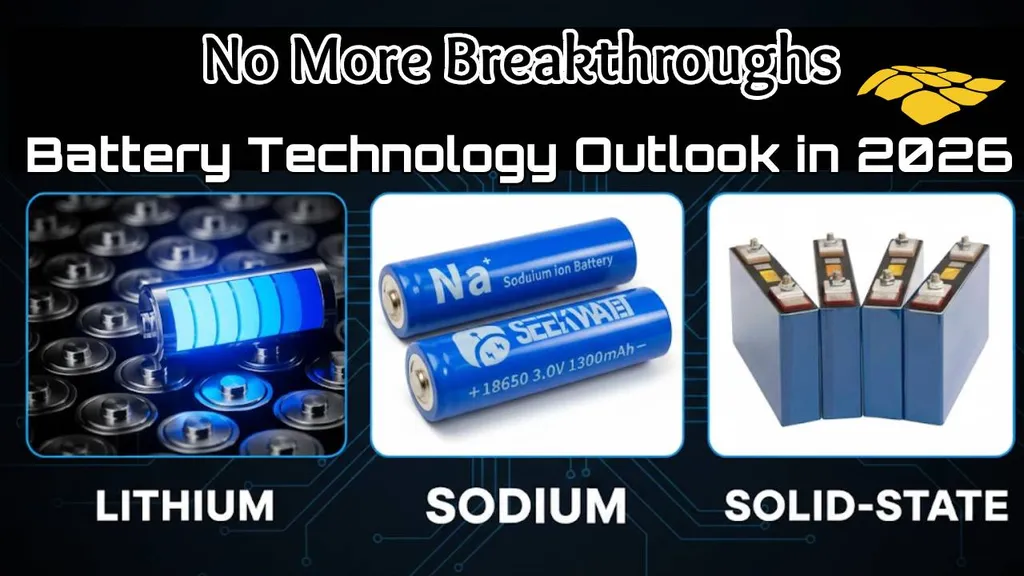
A revolutionary leap in solid-state sodium battery technology, announced this week, is set to disrupt the energy storage landscape. Researchers at Western University in Canada have achieved a breakthrough in developing solid-state sodium batteries—a cheaper, safer, and more sustainable alternative to lithium-ion, free from reliance on critical minerals. This advancement promises to accelerate the global transition to renewable energy and electrification, offering a viable solution for grid storage, electric vehicles, and consumer electronics without the environmental and geopolitical baggage of lithium.
The innovation lies in the use of sodium—a cheap, abundant element—as the charge carrier within a solid electrolyte matrix. Unlike conventional lithium-ion batteries, which depend on scarce and expensive lithium, sodium-ion batteries leverage a material found in seawater and common salt. The solid-state architecture eliminates flammable liquid electrolytes, dramatically improving safety and enabling higher energy densities. Early prototypes demonstrate cycle lives and charge rates comparable to lithium-ion, but with significantly lower production costs and reduced risk of thermal runaway. “This is a game-changer for grid storage and EV adoption,” said a lead researcher at Western University. “We’re not just replacing lithium; we’re redefining what’s possible for energy storage in a post-lithium world.”.
Industry analysts highlight that current lithium-ion technology is nearing its theoretical limits in energy density and thermal management, while supply chain vulnerabilities and recycling inefficiencies persist. Solid-state sodium batteries address these challenges head-on. They offer a path to energy storage that is not only more affordable but also aligns with global decarbonization goals. The technology’s scalability is particularly compelling: sodium’s abundance and the absence of complex mineral extraction processes could democratize battery production, reducing dependence on a handful of lithium-producing countries.
The implications for energy sustainability are profound. As renewable energy capacity surges, the grid requires storage solutions that are safe, durable, and cost-effective. Solid-state sodium batteries could enable longer-duration storage, support the integration of intermittent renewables, and make energy access more equitable. Policymakers and industry leaders are watching closely, as this breakthrough could reshape energy infrastructure investment and accelerate the phase-out of fossil fuels. With pilot production lines already in development, the race is on to bring this transformative technology to market by the end of the decade.