
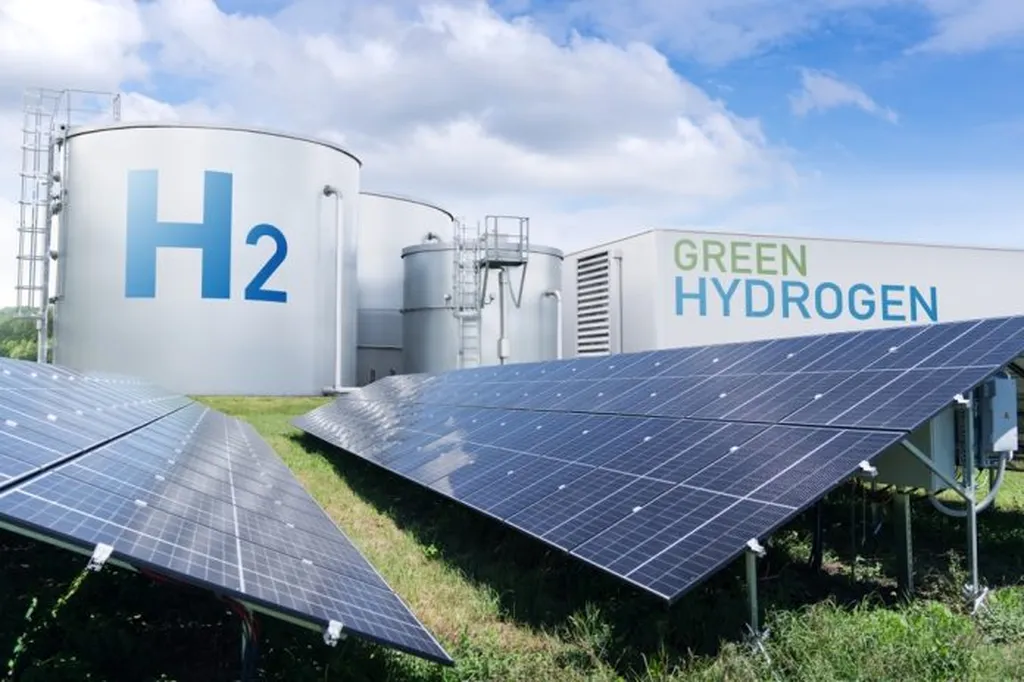
The European Commission’s approval of a €200 million German scheme to produce and import renewable hydrogen from Canada marks a strategic pivot in Europe’s renewable energy ambitions. This initiative, greenlit under EU State aid rules, underscores Europe’s commitment to fortifying its renewable energy supply chains and reducing fossil fuel dependence. The scheme will support the manufacture of renewable fuels of non-biological origin (RFNBOs) in Canada, which will then be imported into Germany and distributed across the EU. Aligning with the EU Hydrogen Strategy, the Clean Industrial Deal, and the REPowerEU Plan, this move highlights renewable energy as a linchpin for Europe’s industrial and climate future.
Teresa Ribera, Executive Vice-President for Clean, Just and Competitive Transition, emphasised the scheme’s role in meeting growing EU demand for renewable fuels and supporting Canada’s renewable fuel production. She noted that the initiative builds on the success of the EU-Canada Comprehensive and Economic Trade Agreement, the Strategic Partnership on Raw Materials, and the EU-Canada Industrial Policy Dialogue. The scheme’s design ensures that only the most cost-effective projects receive support, thereby minimising taxpayer costs and competition distortions.
Germany’s €200 million commitment is expected to unlock a matching €200 million from Canada, creating a €400 million investment package for RFNBO production. These fuels, produced using renewable electricity through electrolysis, can be stored or transported as synthetic gases or liquids derived from hydrogen and carbon dioxide. The programme aims to support the construction of up to 300 megawatts of electrolysis capacity in Canada, significantly boosting renewable energy-based hydrogen output. A competitive bidding process, concluding in 2027, will determine the funded projects. German estimates suggest the scheme could prevent up to 2.47 million tonnes of CO₂-equivalent emissions, aiding national and EU climate targets.
At the heart of the scheme is an innovative double auction mechanism. This process brings together RFNBO producers in Canada and buyers in the EU, matching the lowest selling prices with the highest buying prices. Public funding bridges the gap between these prices, ensuring cost efficiency and accelerating market development for renewable energy fuels. All beneficiaries must comply with EU sustainability criteria for renewable hydrogen, as defined in delegated legislation.
Expanding Europe’s renewable hydrogen supply is critical for decarbonising heavy industry, transport, and energy storage. Renewable hydrogen can decarbonise sectors like steelmaking, chemicals, refining, and fertiliser production, where direct electrification is often unfeasible. It can also power long-haul trucks, shipping, and potentially aviation through synthetic fuels. Additionally, renewable energy-based hydrogen plays a key role in balancing electricity grids by storing surplus renewable energy from wind and solar. By sourcing RFNBOs from trusted partners like Canada, Europe can diversify supply, improve energy security, and accelerate large-scale deployment of hydrogen technologies from 2030 onwards.
This initiative follows earlier Commission approvals in 2021 and 2024 that supported renewable hydrogen investments in non-EU countries. Together, these schemes reflect a strategic shift toward global renewable energy cooperation to meet Europe’s growing demand. As renewable energy transitions from ambition to infrastructure, partnerships like the Germany–Canada scheme are set to play a defining role in shaping Europe’s low-carbon economy.