
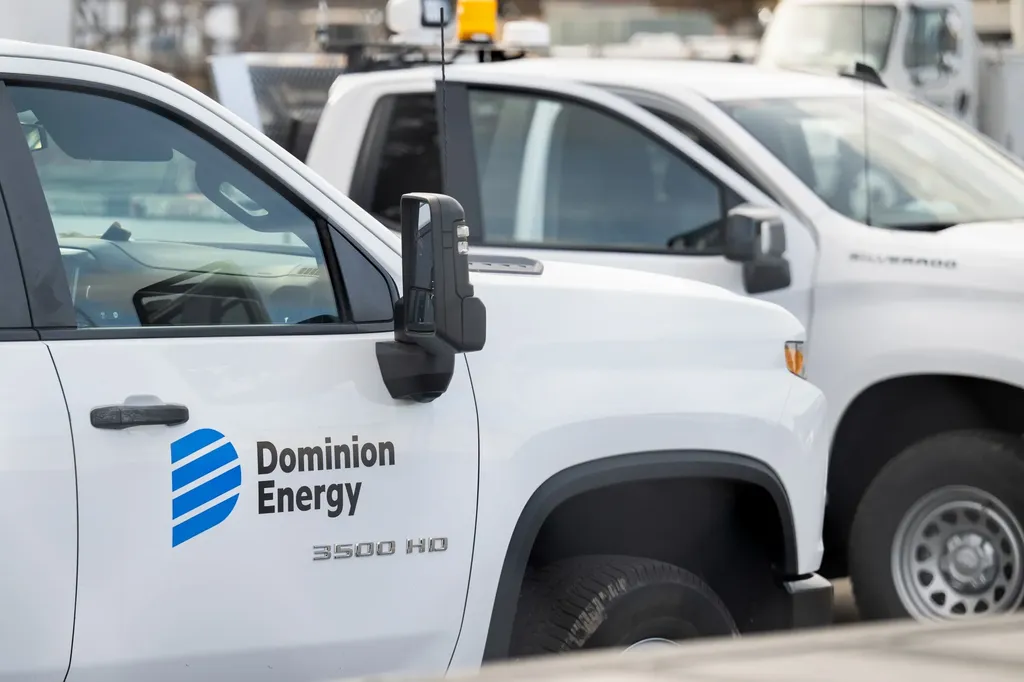
The U.S. District Court for the Eastern District of Virginia has granted Dominion Energy a significant victory, allowing the company to resume construction on the 2,600MW Coastal Virginia Offshore Wind (CVOW) project. This decision marks a pivotal moment for the offshore wind sector, which has faced regulatory uncertainty since the Trump administration imposed a stop-work order on five offshore wind farms in December.
Dominion Energy has announced that its team will now prioritize safely restarting work, aiming to begin delivering energy in the coming weeks. “We are pleased with the court’s decision and will now focus on safely resuming construction to ensure CVOW begins delivering critical energy as soon as possible,” a Dominion Energy spokesperson stated.
The CVOW project, consisting of 176 offshore wind turbines, is designed to generate 2.6 gigawatts of power, enough to supply up to 660,000 homes. This project is a cornerstone of Dominion Energy’s strategy to diversify its energy supply and meet the region’s growing demand. “CVOW is a critical part of our all-of-the-above diverse energy supply strategy,” the company emphasized.
While construction resumes, Dominion Energy has indicated it will continue to seek a lasting resolution through cooperation with the federal government, even as its legal challenge proceeds. This dual approach reflects the complex regulatory landscape that offshore wind projects must navigate.
The court’s decision could have far-reaching implications for the offshore wind sector. It signals a potential shift in federal policy under the Biden administration, which has expressed strong support for renewable energy development. This development may encourage other offshore wind projects to advance, as the sector seeks to play a larger role in the U.S. energy mix.
However, the legal and regulatory hurdles remain significant. The Trump administration’s stop-work order highlighted the challenges that offshore wind projects face, including environmental reviews, permitting, and potential legal battles. The Biden administration’s approach to these issues will be closely watched, as it could determine the pace and scale of offshore wind development in the coming years.
As the CVOW project moves forward, it will serve as a test case for the offshore wind industry’s ability to navigate regulatory uncertainty and deliver clean, reliable energy. The outcome of this project could shape the future of offshore wind in the U.S., influencing investment decisions, policy developments, and the broader energy transition.