
The slowdown in data centre deployment across Europe and North America, driven by permitting delays and grid connection queues, is reshaping investment strategies in the technology sector. For developers, these constraints mean longer lead times and higher upfront costs, but they also signal opportunities in grid modernisation and capacity expansion that extend beyond traditional tech portfolios.
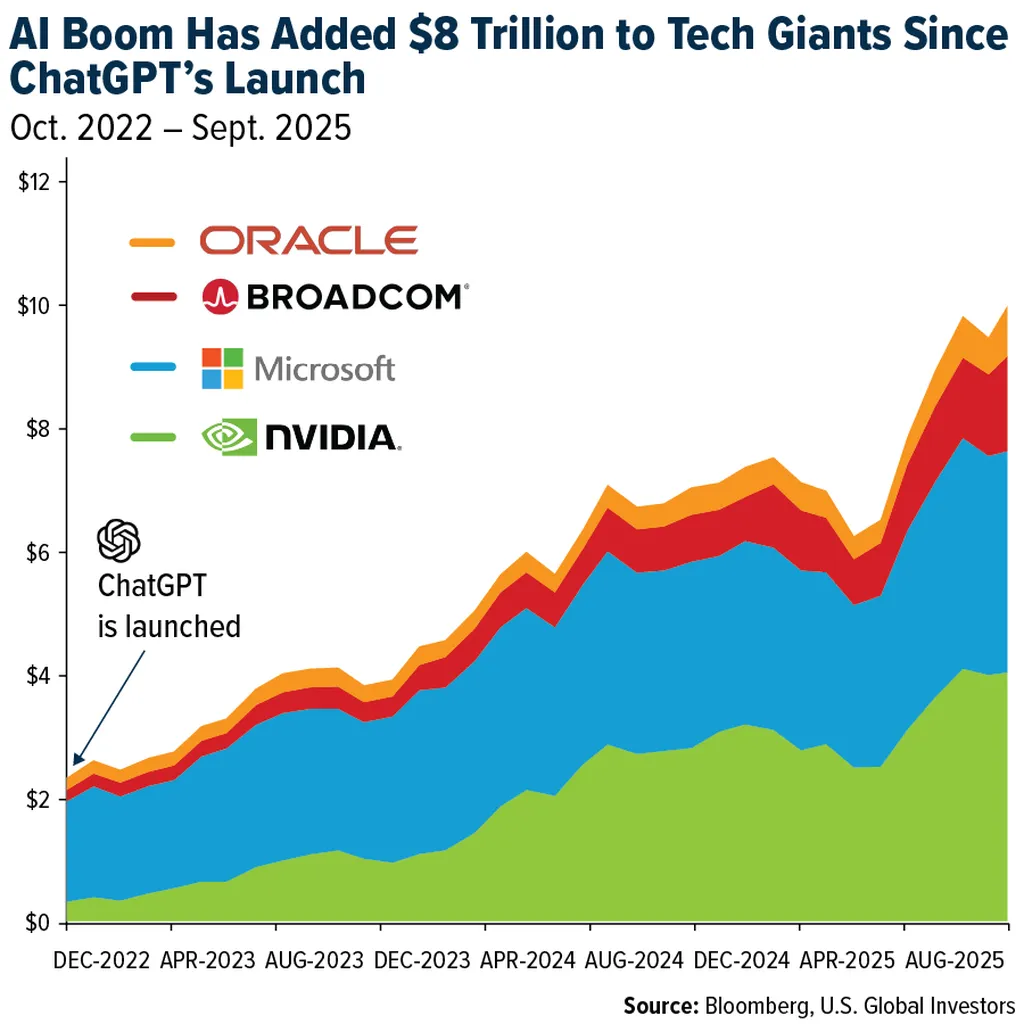
Big tech firms remain pivotal, with companies like Google, Meta, NVIDIA, OpenAI, and Microsoft still commanding significant attention in investment funds due to their dominance in AI software, chips, and platforms. However, investors are growing increasingly cautious about the substantial capital expenditure required to maintain AI leadership. The construction of data centres, with its significant near-term emissions and cost burdens from steel, cement, and energy-intensive manufacturing, presents a challenge. Revenue gains from these investments may take longer to materialise, creating a timing gap that impacts both financial performance and climate strategies, especially for investors with shorter return horizons.
This shift suggests a more diversified AI investment thesis is emerging. Investors are likely to broaden their focus, considering not just the tech giants but also the infrastructure and services that support AI’s growth. Grid modernisation, renewable energy projects, and sustainable construction methods could become more attractive as investors seek to balance the immediate costs and long-term benefits of AI development. The implications for markets are significant, as this reallocation of capital could drive innovation in infrastructure and sustainability, while also influencing the competitive landscape of the tech industry. The slowdown in data centre deployment is not just a temporary setback but a catalyst for a more nuanced and strategic approach to investing in AI.