
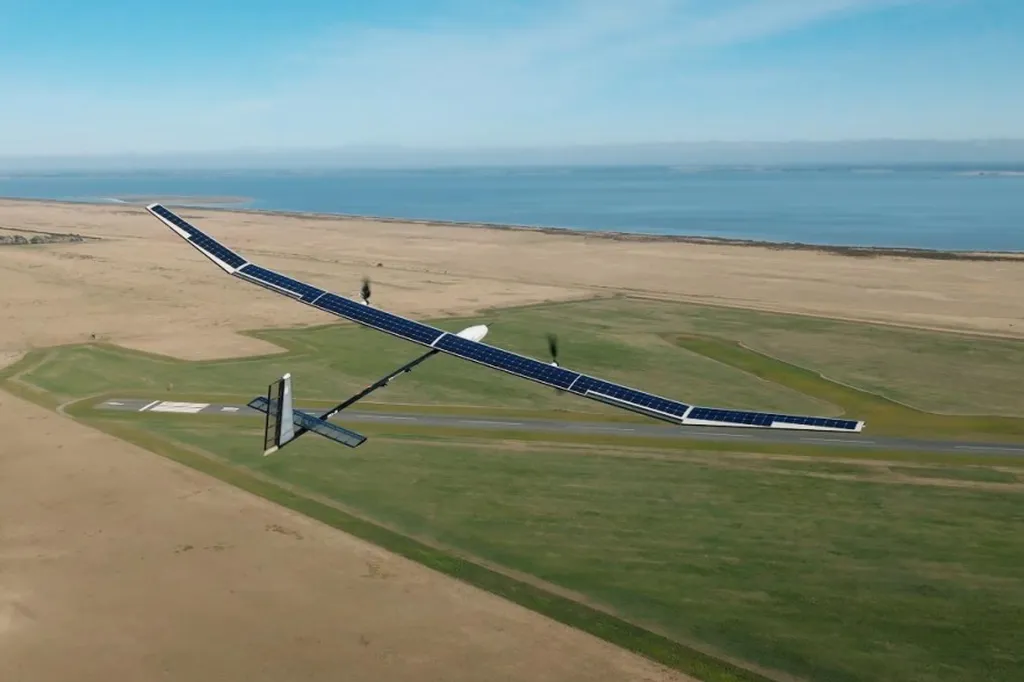
Researchers from the University of Florida, including Yiqin Deng, Zhengru Fang, Senkang Hu, Yanan Ma, Xiaoyu Guo, Haixia Zhang, and Yuguang Fang, have proposed a novel framework to enhance computing power for energy-constrained networks. Their work, published in the IEEE Internet of Things Journal, introduces the concept of UAV-enabled Computing Power Networks (UAV-CPNs), which could have significant implications for the energy sector’s digital infrastructure.
The researchers propose using unmanned aerial vehicles (UAVs) as dynamic relays to outsource computing tasks from a request zone to a larger service zone. This service zone includes diverse computing nodes such as vehicle onboard units, edge servers, and dedicated powerful nodes. By doing so, UAV-CPNs can alleviate communication bottlenecks and overcome the “island effect” in multi-access edge computing, where isolated networks have limited connectivity and computing resources.
One of the key challenges addressed in this research is quantifying computing power performance under complex dynamics of communication and computing. The team introduces the concept of task completion probability to measure the capability of UAV-CPNs for task computing. They further enhance UAV-CPN performance by jointly optimizing UAV altitude and transmit power, considering a hybrid energy architecture where fuel cells and batteries collectively power both UAV propulsion and communication systems.
The researchers conducted extensive evaluations and found significant performance gains, emphasizing the importance of balancing communication and computing capabilities, especially under dual-energy constraints. These findings highlight the potential of UAV-CPNs to significantly boost computing power, which could be particularly beneficial for the energy sector’s growing demand for real-time data processing and analysis.
For the energy industry, this research could translate into more efficient and reliable digital infrastructure for monitoring and managing energy systems. UAV-CPNs could enhance the capabilities of smart grids, enabling better integration of renewable energy sources, improved demand response, and more effective outage management. Additionally, the framework could support advanced applications such as predictive maintenance and real-time asset management, ultimately leading to increased operational efficiency and reduced costs.
In conclusion, the proposed UAV-enabled Computing Power Networks offer a promising solution to enhance computing power for energy-constrained networks. By leveraging UAVs and optimizing communication and computing resources, the energy sector can benefit from improved digital infrastructure and advanced applications, contributing to a more resilient and efficient energy system. The research was published in the IEEE Internet of Things Journal, a reputable source for cutting-edge research in the field of IoT and related technologies.
This article is based on research available at arXiv.