
In the realm of solar research, a team of scientists led by Sarah Paterson from the University of Glasgow, along with colleagues from various institutions including the University of Glasgow, University of Colorado, University of California, and the University of Minnesota, has made significant strides in understanding the Sun’s atmospheric dynamics. Their work, published in the Astrophysical Journal, focuses on the observation of small-scale energy releases in the Sun’s atmosphere, a crucial aspect of solar research that has implications for our understanding of solar energy and its potential impact on Earth’s energy systems.
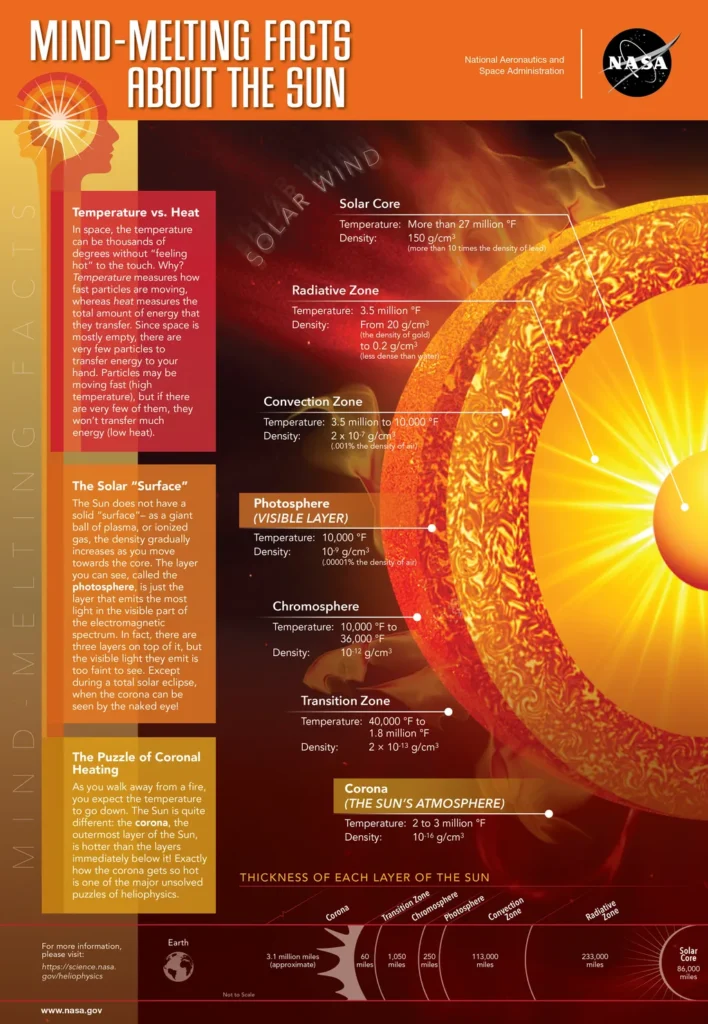
The Sun’s atmosphere, particularly the corona, is much hotter than its surface, a phenomenon that has puzzled scientists for decades. One of the leading theories to explain this is the concept of small-scale energy releases, or “nanoflares,” which could collectively contribute to the heating of the corona. Previous studies have observed these small brightenings in the extreme ultraviolet (EUV) and soft X-ray (SXR) spectra, but high-energy X-ray (HXR) observations have been limited to active regions due to the sensitivity constraints of available telescopes.
Enter the Nuclear Spectroscopic Telescope Array (NuSTAR), a space-based X-ray imaging spectrometer with unprecedented sensitivity. This advanced instrument allowed the research team to observe faint events in the quiet Sun, areas of the Sun’s surface that are not marked by sunspots or other active regions. During the recent solar minimum, a period of lowest solar activity in the Sun’s 11-year cycle, NuSTAR captured seven quiet Sun flares or impulsive brightenings. These events occurred on two separate occasions: three on February 21, 2020, and four on September 12-13, 2020.
The team analyzed the HXR spectra of these events and found temperatures ranging from 3.1 to 4.0 million Kelvin (MK) and emission measures between 0.75 and 17.0 times 10^43 cubic centimeters. This translates to thermal energies between 2.5 and 8.9 times 10^26 erg. Notably, only one event, a mini-filament eruption, showed evidence of slightly higher temperature emission. None of the events exhibited non-thermal emission in their NuSTAR spectra, and the team was able to place upper limits on the accelerated electron population.
The thermal parameters of these quiet Sun events appear to scale differently from previously studied active region flares, suggesting that a different energy release process might be at play. However, the team cautions that this conclusion is affected by the different sensitivities and biases introduced by the various instruments and analysis approaches used.
For the energy industry, understanding the Sun’s energy release mechanisms is crucial. Solar flares and other energetic events can impact Earth’s magnetosphere, potentially disrupting power grids and satellite communications. By studying these quiet Sun events, researchers can gain insights into the fundamental processes driving solar activity, ultimately improving our ability to predict and mitigate the impacts of space weather on Earth’s energy infrastructure.
The research was published in the Astrophysical Journal, a peer-reviewed scientific journal that covers all aspects of astronomical research.
This article is based on research available at arXiv.