
Researchers Francisco Angulo de Lafuente, Seid Mehammed Abdu, and Nirmal Tej from the University of Luxembourg have developed a novel approach to leveraging repurposed Bitcoin mining hardware to create a low-cost, secure healthcare infrastructure for resource-constrained regions. Their work, published in the journal “IEEE Access,” presents SiliconHealth, a blockchain-based system designed to bring verifiable electronic health records to areas where traditional healthcare IT infrastructure is economically unfeasible.
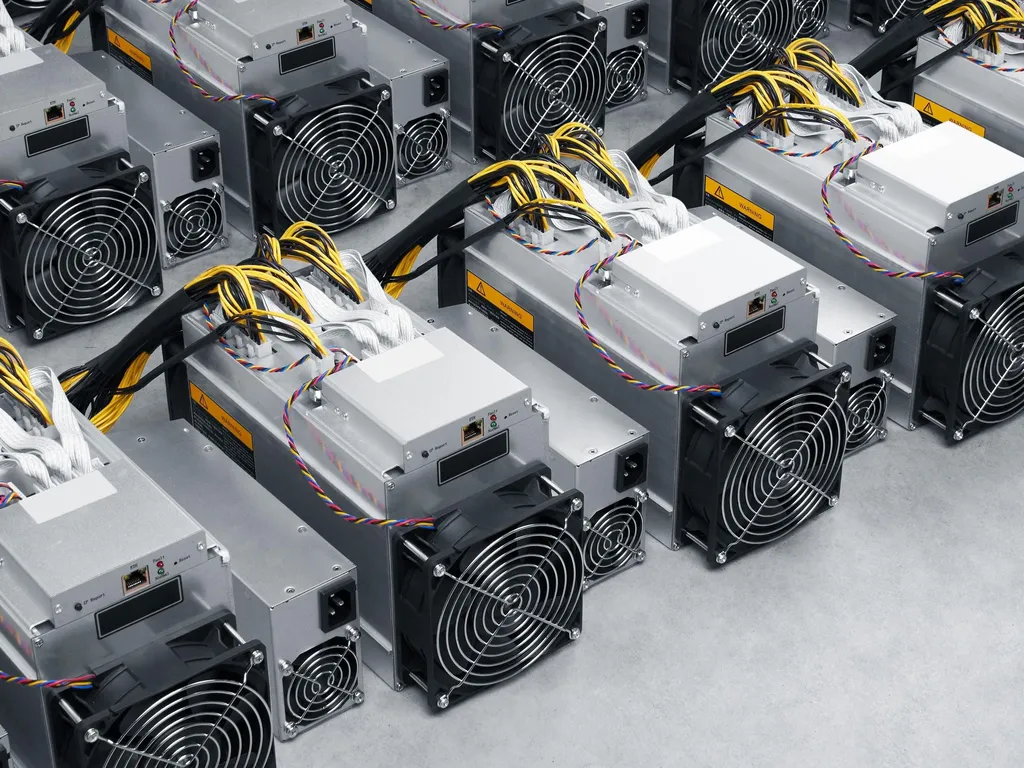
The researchers propose a four-tier hierarchical network utilizing obsolete Bitcoin mining Application-Specific Integrated Circuits (ASICs). This includes regional hospitals equipped with high-performance Antminer S19 Pro devices, urban health centers with Antminer S9 units, rural clinics with Lucky Miner LV06 devices, and mobile health points with portable ASIC devices. By repurposing these mining rigs, the system achieves significant cost savings and energy efficiency compared to traditional GPU-based alternatives.
A key innovation in SiliconHealth is the Deterministic Hardware Fingerprinting (DHF) paradigm, which transforms SHA-256 mining ASICs into cryptographic proof generators. This ensures a 100% verification rate for medical records, providing a secure and tamper-proof system. The architecture also incorporates Reed-Solomon LSB watermarking for medical image authentication, allowing for 30-40% damage tolerance, and semantic Retrieval-Augmented Generation (RAG) for intelligent medical record queries. Additionally, offline synchronization protocols enable the system to function effectively in areas with intermittent connectivity.
The economic analysis demonstrates a 96% cost reduction compared to GPU-based systems, with a total deployment cost of $847 per rural clinic, including a 5-year solar power infrastructure. Validation experiments on the Lucky Miner LV06 devices achieved an efficiency of 2.93 MH/W, confirming the hardware’s universality and suitability for the proposed system.
For the energy sector, this research highlights the potential for repurposing obsolete mining hardware to create cost-effective and energy-efficient solutions in other industries. The use of solar power infrastructure in rural clinics also underscores the importance of integrating renewable energy sources in off-grid and resource-constrained regions. By leveraging existing technology and innovative approaches, the energy sector can contribute to the development of sustainable and accessible healthcare solutions, ultimately benefiting millions of people worldwide.
The research was published in the journal “IEEE Access,” a reputable source for scientific and technical research in various fields, including energy and healthcare.
This article is based on research available at arXiv.