
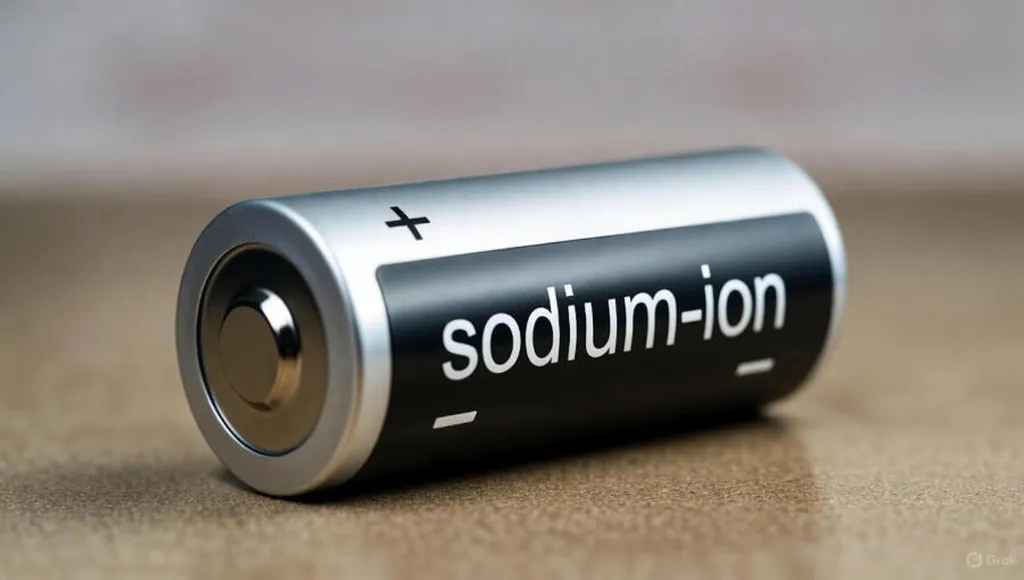
The energy storage landscape is on the brink of a major shift as sodium-ion batteries move from lab to grid. This month, US startup Peak Energy announced the first commercial deployment of grid-scale sodium-ion energy storage, offering a cheaper, safer, and more abundant alternative to lithium-ion. With sodium’s low cost, enhanced thermal stability, and long cycle life, these batteries are poised to transform how we store renewable energy—especially as global demand for affordable, scalable solutions surges.
Sodium-ion batteries operate similarly to lithium-ion, shuttling ions between electrodes, but use sodium—a cheap, abundant element found everywhere. This eliminates reliance on rare, expensive lithium, which is mined in only a few countries and subject to volatile prices. “The most significant impact of sodium-ion technology may be not on our roads but on our power grids,” notes MIT Technology Review. “Storing clean energy generated by solar and wind has long been a challenge. Sodium-ion batteries, with their low cost, enhanced thermal stability, and long cycle life, are an attractive alternative”. Recent breakthroughs, such as Zhaona New Energy’s solid-state sodium-ion prototype, have pushed energy density to 348.5 Wh/kg, rivaling some lithium-ion cells and opening doors for broader adoption.
The implications for energy sustainability are profound. Sodium-ion batteries could accelerate the transition to renewables by providing a cost-effective way to store intermittent solar and wind power, reducing dependence on fossil fuels and foreign supply chains. As Peak Energy and others scale up production, expect to see these batteries integrated into microgrids, data centers, and even electric vehicles—ushering in a new era of energy resilience and accessibility.