
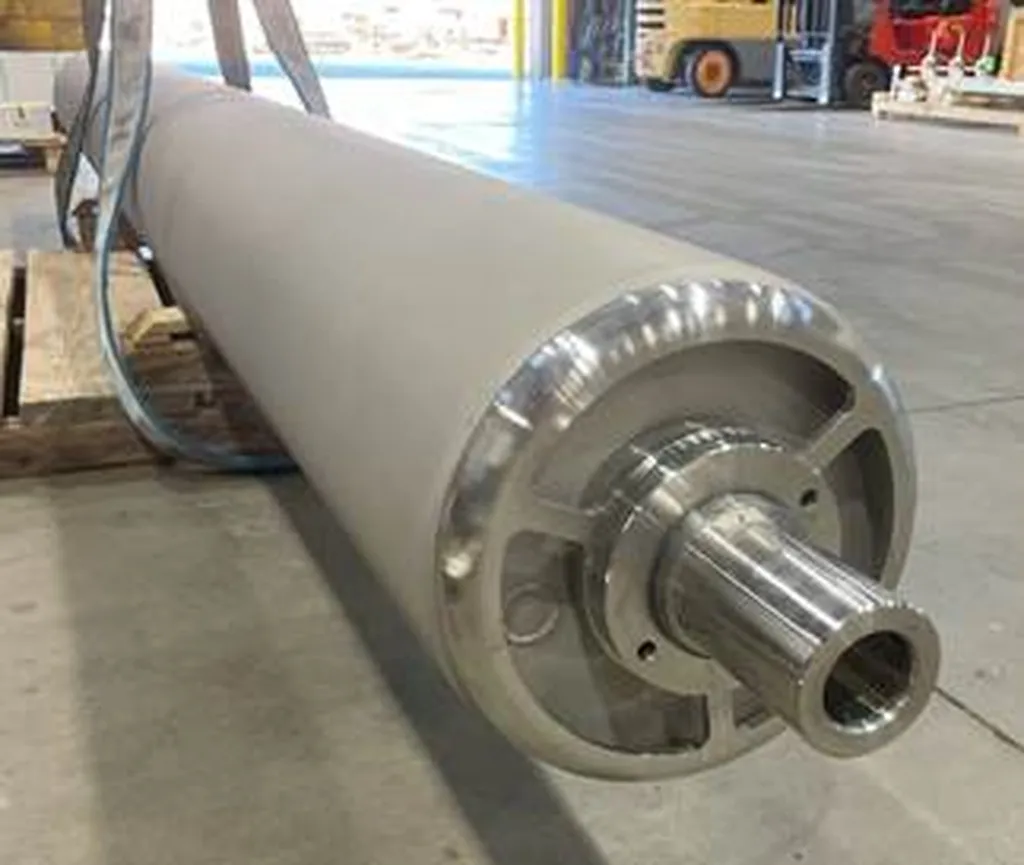
Deep Isolation Nuclear has achieved a significant milestone in nuclear waste disposal technology, successfully completing its Project SAVANT, a two-year research initiative funded by the U.S. Department of Energy’s Advanced Research Projects Agency–Energy (ARPA-E). The project’s findings validate the company’s Universal Canister System (UCS) and borehole casing materials, demonstrating their ability to resist corrosion under the thermal, chemical, and mechanical stressors expected in a deep borehole environment.
This development could reshape the nuclear energy sector’s approach to waste management, addressing a critical challenge as global nuclear power capacity is forecast to increase by over 300 GW by 2050. “This important study shows that Deep Isolation has achieved another critical milestone in the development of a safe method of disposing of radioactive nuclear waste — something the world critically needs,” said Rod Baltzer, Deep Isolation’s president and CEO.
The project’s success strengthens the scientific basis for Deep Isolation’s UCS, reinforcing confidence in the system’s design life and paving the way for full-scale deep borehole disposal demonstrations. Jesse Sloane, executive VP of Engineering at Deep Isolation, highlighted the project’s significance: “The project SAVANT data significantly strengthens our understanding of how UCS and borehole system materials perform under the conditions expected in a deep geologic environment. These results demonstrate wide margins of safety for the public and reinforce the robustness of our design approach.”
The project also incorporated supply chain research and cost estimation developed in partnership with the Electric Power Research Institute (EPRI), highlighting opportunities to build domestic manufacturing pathways for canisters, casing materials, and deployment equipment. This could accelerate commercial readiness and reduce lifecycle costs for future disposal facilities.
As nations expand advanced reactor deployment, durable and predictable disposal pathways become increasingly essential to long-term planning and public confidence. The project SAVANT findings provide new, data-driven insights that can guide future regulatory, commercial, and technical decision-making for deep borehole disposal.
Stan Gingrich, principal engineer at Amentum and a project SAVANT collaborator, emphasized the importance of materials research in advancing disposal readiness. “The corrosion testing produced data representative of deep borehole disposal environments,” said Gingrich. “Our collaboration with Deep Isolation, including our co-authored paper on the results of materials under high temperature and pressure conditions [presented at Waste Management Symposia 2025], underscores how phased testing can bring innovative disposal solutions closer to reality.”
This breakthrough could catalyze a shift in the nuclear industry, encouraging further investment in deep borehole disposal technology and accelerating the development of safe, permanent solutions for nuclear waste. As the sector grapples with the challenges of waste management, Deep Isolation’s success offers a promising path forward, potentially reshaping the future of nuclear energy.