
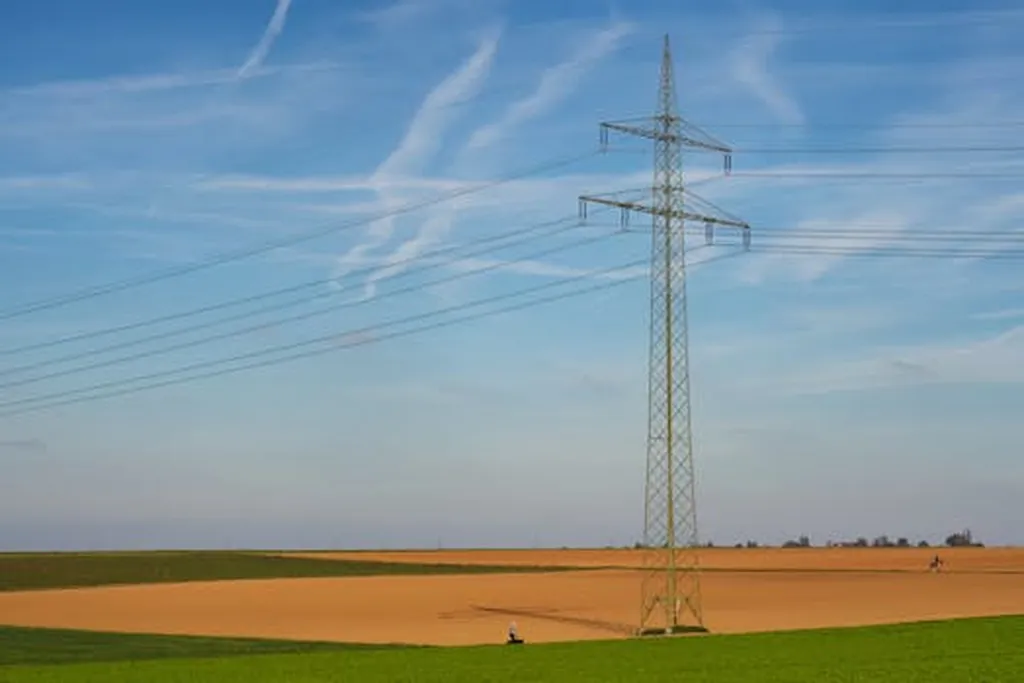
WEMAG Netz’s €1.2 billion investment in grid infrastructure across Mecklenburg-Vorpommern signals a significant commitment to accommodating Germany’s energy transition, particularly in regions witnessing rapid renewable energy growth. This move underscores the critical role of grid modernization in supporting the integration of decentralized energy systems and electromobility, a trend likely to gain momentum as Germany aims to meet its ambitious climate targets.
The investment is a response to the mounting demands on grid expansion due to the proliferation of photovoltaic systems and large solar parks. As renewable energy sources become more prevalent, traditional power flows are disrupted, necessitating more robust grid infrastructure. WEMAG’s plan to strengthen and expand the electricity grid will not only enhance grid stability but also lay the groundwork for integrating new energy-efficient technologies, such as heat pumps and electric vehicle charging stations.
This development is part of a broader trend in Europe, where energy providers are increasingly investing in grid modernization to support the energy transition. The European Investment Bank’s (EIB) involvement in financing this project highlights the strategic importance of grid infrastructure in achieving energy security and climate protection goals. The EIB’s support for similar projects across Germany and Europe suggests a growing recognition of the need for substantial investment in grid infrastructure to facilitate the transition to renewable energy.
The implications for markets are significant. Enhanced grid infrastructure will facilitate the integration of more renewable energy sources, potentially lowering energy costs and increasing supply stability. This could spur further investment in renewable energy projects, creating a positive feedback loop that accelerates the energy transition. Additionally, the focus on rural areas could help bridge the urban-rural divide in energy infrastructure, promoting more equitable economic development.
However, challenges remain. Grid expansion projects often face opposition from local communities concerned about visual impact, land use, and potential health effects. Ensuring community buy-in and addressing these concerns will be crucial for the success of WEMAG’s investment. Moreover, the rapid pace of technological change in the energy sector means that grid infrastructure must be designed to be flexible and adaptable to future needs.
In conclusion, WEMAG’s investment in grid infrastructure is a timely response to the evolving energy landscape in Germany. It sets a precedent for other regions grappling with similar challenges and underscores the importance of strategic investment in grid infrastructure to support the energy transition. As the energy sector continues to evolve, such investments will be critical in shaping a sustainable and resilient energy future.