
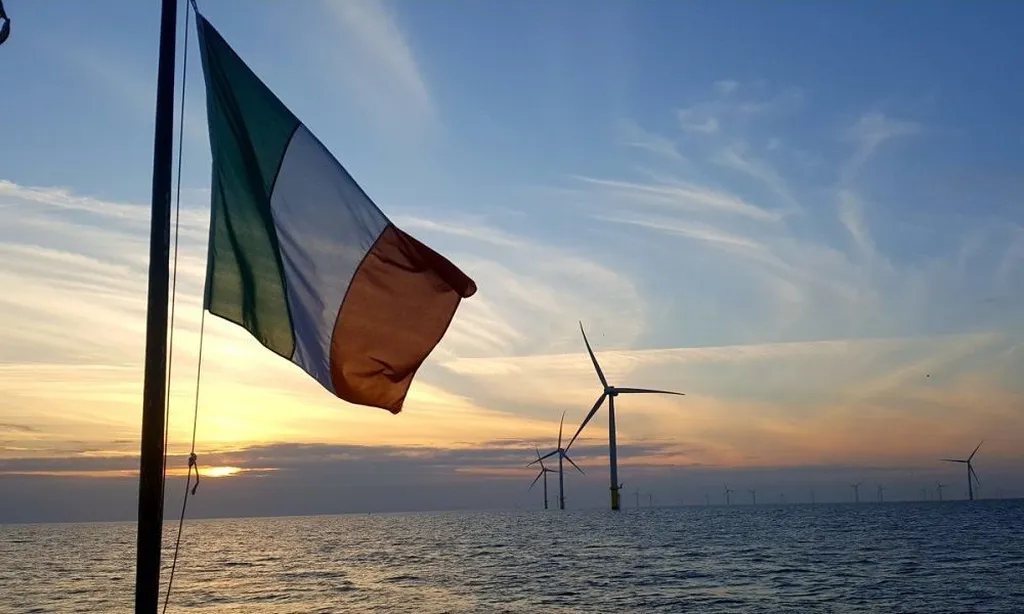
The Maritime Area Regulatory Authority (MARA) in Ireland has unveiled its competitive framework for offshore wind leasing, marking a significant step in the country’s renewable energy strategy. The framework is designed to bolster Ireland’s plan-led approach to offshore renewable energy development and to help meet national climate and energy targets.
MARA stated that the award of consents for future development within the South Coast offshore wind zone will align with the timing, methodology, and processes outlined in the new structure. Developed with support from Baringa and informed by international best practices and stakeholder consultations, the Competitive Maritime Area Consent (MAC) Framework is intended to provide a flexible, site-specific design. This approach allows MARA to apply appropriate criteria and weightings for individual allocation rounds, ensuring efficient and transparent decision-making.
During the initial design phase, MARA identified key elements and developed a range of options for each, drawing on global experience and Ireland’s policy and regulatory context. Through stakeholder engagement, preferred options were refined to align with industry priorities and public policy objectives.
“The publication of our Competitive MAC Framework represents an important milestone for offshore renewable energy in Ireland,” said Laura Brien, chief executive of MARA. “It provides a transparent, flexible and robust approach to the allocation of Maritime Area Consents for offshore wind projects within Designated Maritime Area Plans (DMAPs), supporting sustainable development while recognising the distinct characteristics of individual sites. Engagement with stakeholders has been central to shaping this framework, and we are confident it will play a key role in enabling the delivery of offshore wind projects in line with Ireland’s climate ambitions.”
This framework could accelerate Ireland’s offshore wind development, attracting investment and fostering innovation in the sector. By providing a clear and transparent process, MARA aims to streamline project approvals and reduce uncertainties for developers. The site-specific approach also allows for tailored solutions that consider local environmental and socio-economic factors, potentially minimizing conflicts and enhancing community acceptance.
Moreover, the framework’s alignment with international best practices may position Ireland as a competitive player in the global offshore wind market. As countries worldwide ramp up their renewable energy targets, Ireland’s structured approach could make it an attractive destination for offshore wind investment. The emphasis on stakeholder engagement and transparency may also set a precedent for other countries looking to develop their offshore wind sectors responsibly and efficiently.
However, the success of this framework will depend on its implementation and the willingness of stakeholders to engage constructively. Balancing the need for rapid development with environmental and social considerations will be crucial. As Ireland moves forward with its offshore wind ambitions, the Competitive MAC Framework will be a key tool in shaping the sector’s trajectory and contributing to the country’s climate goals.