
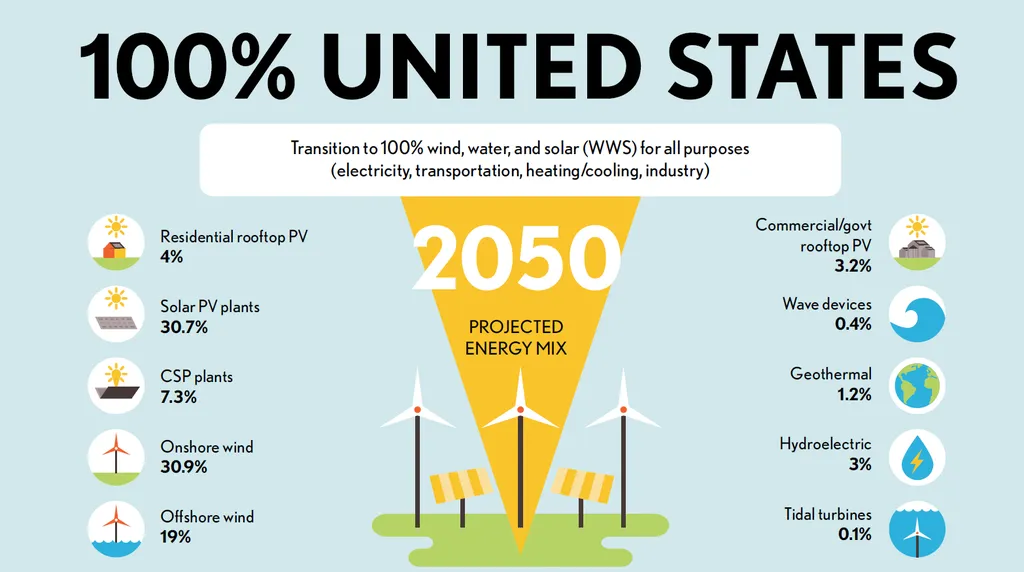
The United States’ surge in renewable energy investment is not just a fleeting trend but a fundamental shift in how the country generates power. With global investment in the energy transition hitting a record $2.1 trillion in 2024 and expected to climb to about $2.2 trillion in 2025, clean energy spending is now outpacing fossil fuel investment by nearly two to one. This seismic shift is not just about the software platforms or the total energy output; it’s about the physical infrastructure that supports these systems. The reliability of these structures, components, and connections will ultimately determine the long-term success of these projects.
The International Energy Agency projects a 70 percent growth in renewable capacity over the next five years. However, this growth is only meaningful if the physical assets can withstand decades of harsh outdoor exposure without constant repairs or early replacement. Infrastructure that fails after a decade will never deliver the return it was built for. Energy directors and facility managers must ensure that solar racking, wind turbines, and cabling systems remain structurally sound for 25 to 30 years. This requires a strategic shift from transactional purchasing to a focus on high-performance hardware and proven material selection.
The core components of renewable infrastructure, such as solar trackers and wind turbine towers, must handle extreme mechanical stress. For instance, solar trackers move throughout the day and must resist fatigue caused by wind loads and thermal expansion. High-quality specialized industrial hardware ensures that these moving parts operate smoothly for the entire life of the installation. Corrosion is the single biggest threat to renewable energy infrastructure, with the global cost of corrosion exceeding $2.5 trillion annually. Engineers must utilize specialized alloys and high-performance coatings to prevent structural failure.
Lowering maintenance expenses is crucial for the financial health of renewable projects. Operations and maintenance (O&M) costs can consume up to 25 percent of a wind farm’s total lifetime cost. A strategic sourcing model can help lower these expenses by reducing field repairs, improving installation speed, and consolidating logistics. By investing in higher-grade components during the construction phase, developers can significantly lower the total cost of ownership over the project’s lifespan.
As we approach 2026, the demand for renewable energy infrastructure will continue to rise, putting further pressure on the supply chain. New regulations and ESG requirements are forcing manufacturers to be more transparent about the materials they use. Future-proofing assets involves working with partners that provide full material certifications and testing data for every component. Achieving this level of accountability requires end-to-end supply chain visibility, ensuring that the specific structural requirements of the geographic location are met with verified hardware.
Securing the profitability of a renewable energy project requires a holistic view of the physical infrastructure. Lowering manufacturing and installation costs should never come at the expense of long-term reliability. By focusing on corrosion resistance and mechanical integrity, developers can ensure that their projects remain productive assets for decades. Choosing a technical partner provides several advantages, including expert material selection, structural continuity, and predictable performance.
The implications for the market are profound. As the grid becomes more decentralized, the reliability of physical assets will be the only way to ensure a stable and profitable energy supply. The renewable sector is moving toward more automated and data-driven construction methods, including the use of “smart fasteners” that can signal when they are loose. There is also a greater emphasis on sustainable sourcing to meet new environmental and transparency regulations.
This shift in focus from energy output to infrastructure reliability could reshape the renewable energy market. Companies that prioritize high-performance hardware and strategic sourcing will likely see better long-term returns on their investments. Conversely, those that cut corners on infrastructure quality may face higher maintenance costs and lower energy output, ultimately undermining their financial viability. As the renewable energy sector continues to grow, the companies that invest in durable, high-quality infrastructure will be the ones that thrive in the long run.