
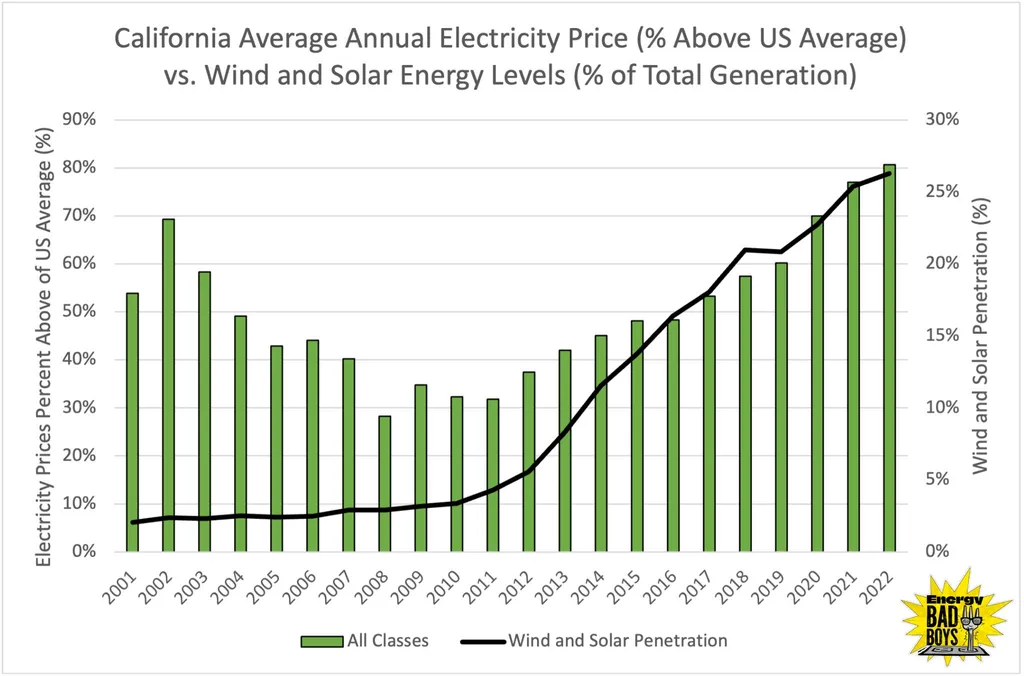
Electricity prices have climbed steadily, with a 6.7% average increase across sectors in September 2025 compared to the previous year. Residential prices surged by over 7%, squeezing low- and middle-income households. This trend, driven by factors like rising demand from data centers and AI, grid upgrades, volatile fuel costs, and supply chain issues, has sparked a contentious debate about energy policy.
Energy Ventures Analysis (EVA) recently shed light on a critical aspect of this issue: the cost of replacing retiring coal power plants with renewable energy sources. Their analysis compared the annual cost of operating existing coal plants with the cost of replacing them with six renewable alternatives: solar, solar firmed by battery energy storage systems (BESS) or natural gas, wind, and wind firmed by BESS or natural gas.
The findings are stark. Continuing to operate 79 coal units scheduled for retirement between 2025 and 2028 would cost around $6 billion annually. Replacing them with solar panels alone would cost roughly $60 billion annually—ten times more. Even when combined with firming resources like BESS or natural gas, the cost remains significantly higher. For instance, solar plus natural gas firming would require 70 GW of solar capacity and 47 GW of natural gas firming capacity, while wind plus natural gas firming would need 57 GW of wind capacity and 38 GW of natural gas firming capacity.
These figures highlight a crucial challenge: the transition to renewables, while necessary for long-term sustainability, comes with short-term economic trade-offs. The analysis underscores that replacing coal with renewables could lead to substantial increases in electricity bills, particularly in regions heavily reliant on coal.
Michelle Bloodworth, president and CEO of America’s Power, emphasizes that this analysis is not an attack on renewables but a call for a balanced approach. “We support an all-the-above strategy,” she notes, “and this analysis shows one of the reasons why coal has to be an essential part of this strategy.” The findings suggest that prematurely retiring coal plants without adequate firming resources could exacerbate affordability issues, particularly during periods of high demand or extreme weather.
The debate over energy policy is far from settled. As policymakers grapple with the need to reduce carbon emissions while keeping electricity affordable, they must weigh the short-term costs of transitioning to renewables against the long-term benefits. The EVA analysis provides a sobering reminder that the path to a sustainable energy future is complex and fraught with economic and logistical challenges. The sector must innovate, adapt, and perhaps rethink the pace and strategy of its transition to ensure that affordability remains a priority.