
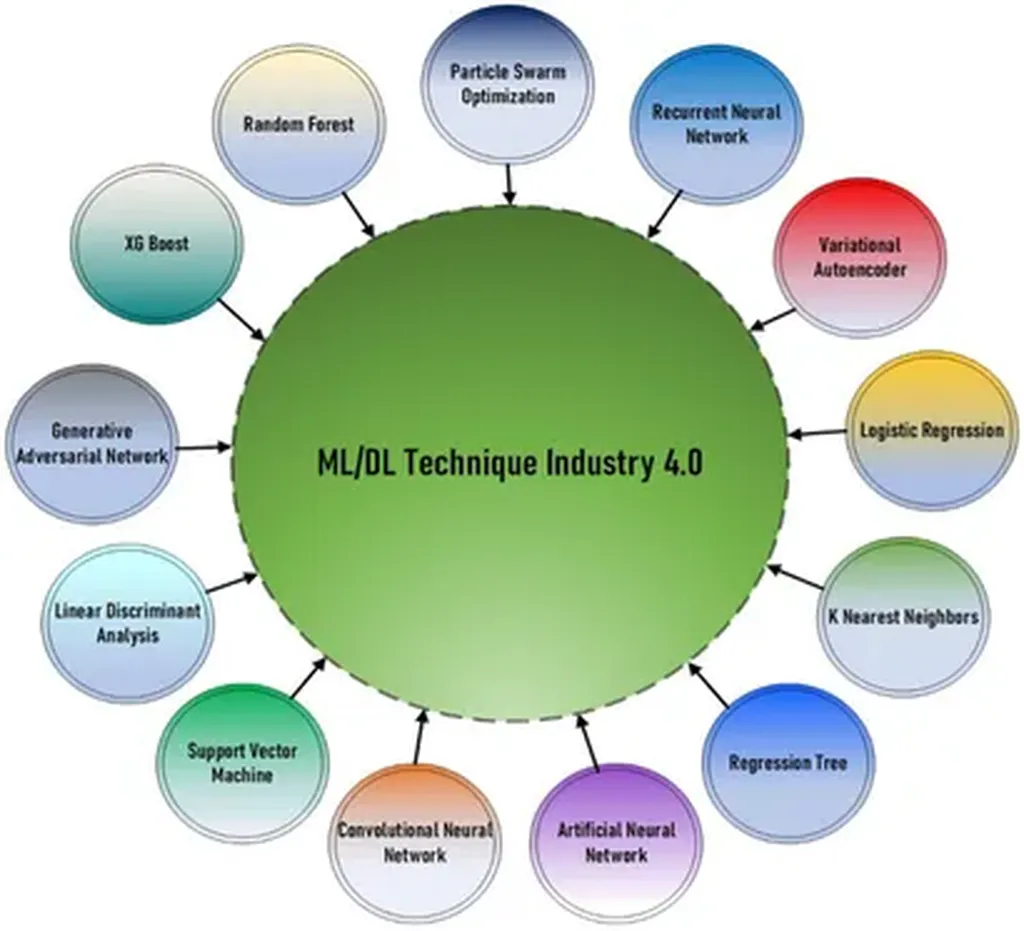
In the realm of energy journalism, accurate electricity price forecasting is a critical tool for industry stakeholders, enabling efficient portfolio management, strategic decision-making, and optimal resource allocation. Researchers Btissame El Mahtout and Florian Ziel, affiliated with the University of Stuttgart, have recently published a study in the journal “Applied Energy” that introduces a novel approach to electricity price forecasting, combining the strengths of linear models and neural networks.
The study highlights the challenges in developing accurate prediction models in the volatile electricity market. Linear models, while computationally efficient, often fail to capture the complex, nonlinear relationships that influence electricity prices. Nonlinear models, although more accurate, come with a significant increase in computational costs. To address these issues, El Mahtout and Ziel propose a multivariate neural network approach that integrates both linear and nonlinear structures.
Their approach also incorporates online learning and forecast combination for efficient training and improved accuracy. The model considers a wide range of relevant characteristics, including wind and solar generation patterns, electricity demand, related energy fuel and carbon markets, autoregressive dynamics, and calendar effects. The researchers conducted a six-year forecasting study on major European electricity markets, demonstrating that their method significantly reduces computational cost while delivering superior forecasting accuracy, with reductions in root mean square error (RMSE) of 12-13% and mean absolute error (MAE) of 15-18% compared to current state-of-the-art benchmark models.
For the energy industry, this research offers a practical solution for more accurate and cost-effective electricity price forecasting. Improved forecasting can enhance portfolio management, support strategic decisions in power plant operations, optimize battery storage, and facilitate demand response planning. As the energy market continues to evolve with increasing renewable energy integration, such advanced forecasting tools will be invaluable for ensuring efficient and reliable operations.
The research was published in the journal “Applied Energy,” a reputable source for applied energy research, further underscoring the significance and potential impact of this study on the energy sector.
This article is based on research available at arXiv.