
Europe’s push towards a climate-neutral energy system has spotlighted renewable hydrogen as a linchpin in its decarbonisation strategy. While much of the focus has been on production speeds, the more complex question of long-distance transportation—balancing affordability and genuine low-carbon impact—is gaining traction. A recent study by the European Commission’s Joint Research Centre (JRC) offers some of the most definitive insights yet, comparing the economic and environmental performance of competing hydrogen delivery routes.
Renewable hydrogen is poised to decarbonise sectors like heavy industry, long-distance transport, and shipping, with the EU targeting 10 million tonnes of domestic production and an additional 10 million tonnes of imports by 2030. Although advancements in electrolyser technology have boosted production efficiency, the challenge of large-scale hydrogen transport remains unresolved. Hydrogen can be delivered in various physical and chemical forms, each with distinct infrastructure needs, costs, and environmental trade-offs. Missteps in choosing the right option could inflate emissions and expenses, jeopardising the climate benefits of renewable hydrogen.
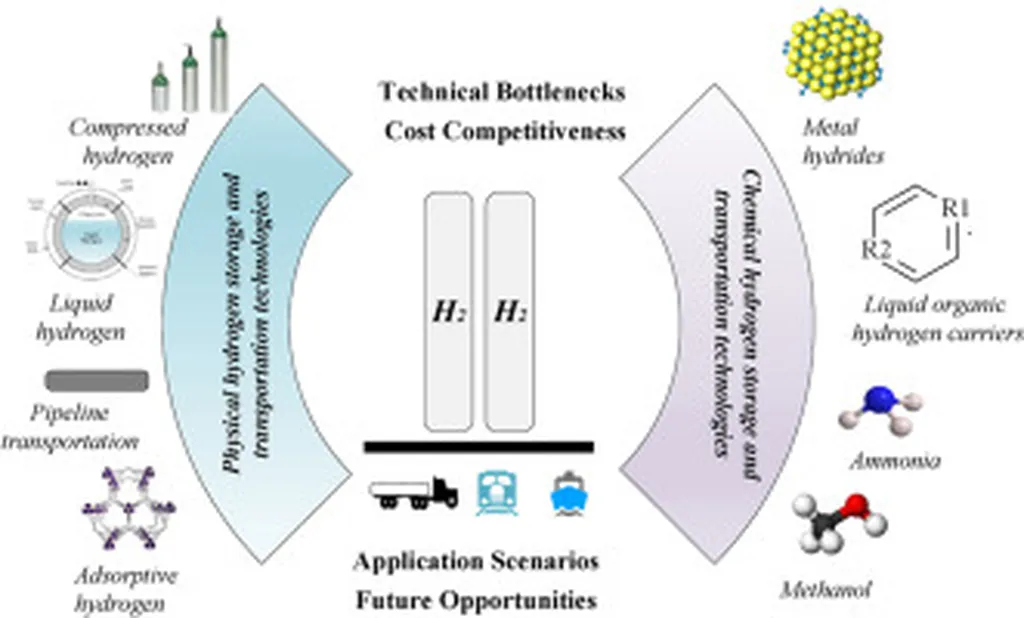
To tackle this, JRC researchers combined techno-economic assessment with life-cycle assessment, creating a framework that evaluates both financial viability and environmental impact. The study modelled hydrogen produced via renewable electrolysis in Portugal and transported to the Netherlands—a distance of approximately 2,500 kilometres—reflecting realistic European import routes. Five delivery options were assessed: compressed hydrogen, liquid hydrogen, ammonia, methanol, and liquid organic hydrogen carriers. The study also compared transport by ship and pipeline to understand how infrastructure choices influence outcomes.
The results reveal clear winners. Transporting liquid hydrogen by ship and compressed hydrogen through pipelines emerged as the most cost-effective and environmentally favourable options under the reference European scenario. These pathways benefit from fewer conversion steps and lower cumulative energy demand. In contrast, chemical carriers like ammonia, methanol, and liquid organic hydrogen carriers performed less well. Although these substances are easier to handle using existing infrastructure, the additional processes required to convert hydrogen into and out of these carriers significantly increase energy use, costs, and emissions. The study found that these conversion stages also demand larger renewable electricity installations, further increasing environmental footprints.
Distance plays a decisive role in determining the optimal delivery method. For very long routes, approaching 10,000 kilometres, liquid hydrogen remains competitive due to its high energy density. Compressed hydrogen, however, becomes less attractive over such distances because of rising fuel consumption and the need for additional transport vessels or pipeline capacity. These findings suggest that infrastructure planning for renewable hydrogen must be tailored to geography and scale, rather than relying on a one-size-fits-all solution.
Beyond transport logistics, the study reinforces the strategic importance of renewable hydrogen for Europe’s wider energy transition. As electricity demand grows and fossil fuels are phased out, renewable hydrogen offers a way to store excess renewable power, stabilise energy systems, and decarbonise industrial processes that cannot rely on direct electrification. When produced and transported sustainably, renewable hydrogen can bridge the gap between renewable energy generation and hard-to-abate emissions, making it a cornerstone of a resilient, net-zero economy.
By clearly outlining the trade-offs between cost, emissions, and infrastructure requirements, the JRC study provides policymakers and investors with robust evidence to guide future decisions. It also highlights the potential of repurposing existing natural gas pipelines for compressed renewable hydrogen, while underlining the need for continued innovation to reduce uncertainties and environmental impacts across all hydrogen technologies. As Europe scales up its hydrogen economy, studies like this will be essential to ensure that renewable hydrogen delivers on its promise as a truly sustainable energy solution.