
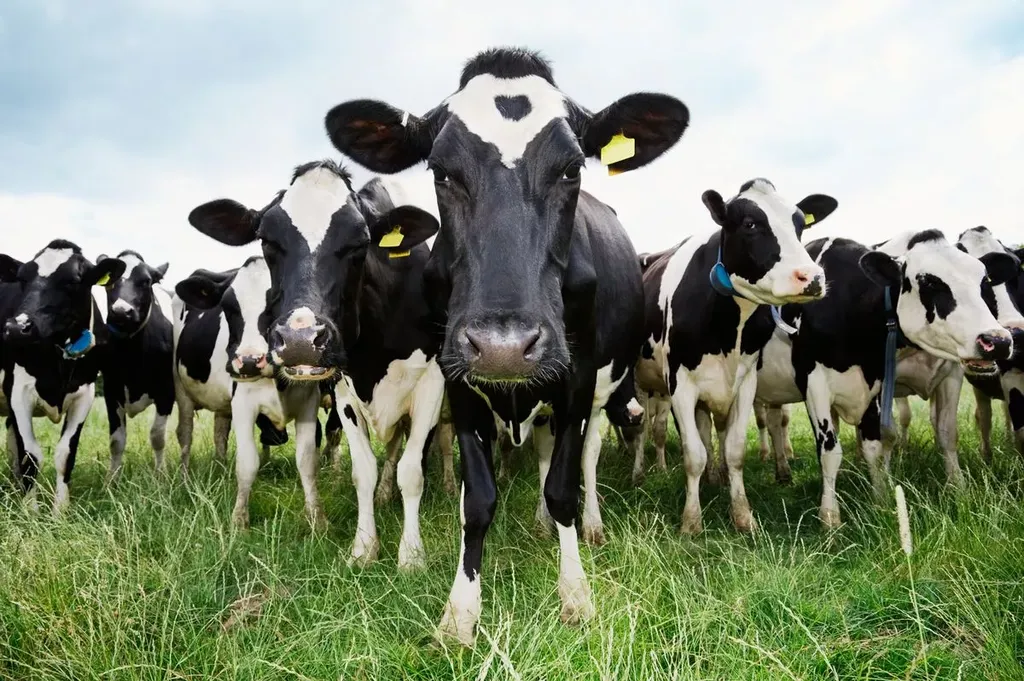
In the quest for sustainable energy solutions, an unlikely hero has emerged: cow dung. The humble byproduct of livestock farming could play a significant role in Britain’s clean energy transition, according to a recent report by GMB. The union’s findings suggest that biomethane, derived from livestock waste, could heat up to 10 million homes, safeguard thousands of jobs in the gas industry, and create tens of thousands more. The best part? It can leverage existing infrastructure, making it a cost-effective and efficient solution.
Anaerobic digestion, the process of turning farm slurry and food waste into gas, is already contributing to the energy mix. Currently, it provides enough energy to heat over 800,000 homes, with projections to reach 1.2 million homes in the near term. Two villages in Somerset, Nether and Over Stowey, have been running entirely on biomethane for a decade, demonstrating the technology’s viability.
The scale of the untapped opportunity is substantial. The UK agriculture sector produces around 82 million tonnes of manure and slurry annually, yet less than 1% is currently used to make biomethane. GMB’s report suggests that scaling up this process could yield significant results. By 2030, the UK could produce 50TWh of sustainable biomethane, rising to 120TWh by 2050. This amount could meet roughly a third of current gas demand and support at least 60,000 jobs.
One of the key advantages of biomethane is its compatibility with existing infrastructure. Unlike hydrogen or new fuels, biomethane is almost identical to natural gas, meaning it can flow straight through the current gas grid without requiring costly retrofits.
Andy Prendergast, GMB National Secretary, emphasized the potential of this resource. “It may raise a wry smile, but cow dung really could be crucial to the UK’s clean energy future,” he said. “It’s virtually identical to natural gas so can use existing infrastructure, it’s low carbon and as any farmer will tell you it’s only too renewable.”
Prendergast highlighted the immediate impact, noting that biomethane could already heat 500 hospitals. Looking ahead, he sees a future where biomethane provides a third of all the gas needed by 2050, creating tens of thousands of jobs in the process.
The implications for the energy sector are profound. Biomethane could bridge the gap between current fossil fuel dependence and a fully renewable future. It offers a scalable, low-carbon solution that can be integrated into existing systems, making it an attractive option for policymakers and energy providers alike.
As the UK strives to meet its net-zero targets, biomethane from cow dung could prove to be a game-changer. It’s a reminder that sometimes, the solutions we seek are right under our noses—or in this case, under our feet. The challenge now is for policymakers to recognize the potential and take decisive action to scale up this overlooked resource.