
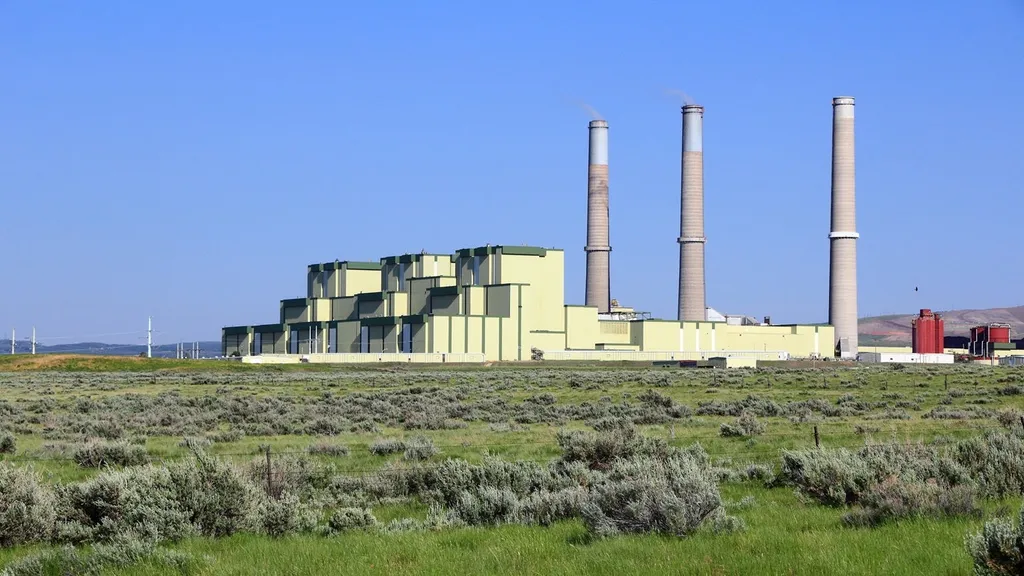
The US Department of Energy (DOE) has taken a decisive step to bolster grid stability in the Western United States, issuing an emergency order to keep Unit 1 of the Craig Station coal-fired power plant operational through the winter period. The directive, effective from 30 December 2025 until 30 March 2026, applies to the plant’s operator, Tri-State Generation and Transmission Association, and its co-owners: Platte River Power Authority, PacifiCorp, Salt River Project, and Xcel Energy. The order also necessitates coordination with the Western Area Power Administration—Rocky Mountain Region and Southwest Power Pool West.
Unit 1, commissioned in 1980, was originally slated for retirement at the end of 2025. The power plant’s other units, 2 and 3, are scheduled to retire in late September 2028. Each of the first two units has a generation capacity of 446.4MW, while Unit 3 boasts a capacity of 534.8MW. The DOE’s order underscores the need to maintain grid stability, mitigate power interruptions, and minimize electricity costs for consumers. It references the DOE’s Resource Adequacy Report, which warns that outages could increase by up to 100 times in 2030 if dependable generation is retired.
US Energy Secretary Chris Wright framed the decision within the broader context of the Trump Administration’s energy policies. “On Day One, President Trump declared an energy emergency and directed the government to reverse the dangerous energy subtraction policies of the previous administration,” Wright stated. “Keeping this coal plant online will ensure Americans maintain an affordable, reliable, and secure supply of electricity. The Trump Administration is committed to lowering energy costs and keeping American families safe.”
This move echoes a similar emergency order issued by the DOE in August 2025, which extended the operational readiness of the JH Campbell coal-fired plant in West Olive, Michigan. That directive, aimed at addressing regional grid security issues, required the Midcontinent Independent System Operator (MISO) to keep the Campbell plant operational until 19 November 2025. Since May 2025, the Campbell plant had been supporting MISO in meeting peak demand, particularly during periods of limited electricity from intermittent sources.
The DOE’s actions raise critical questions about the future of energy policy and grid reliability. As the US grapples with the transition to cleaner energy sources, the tension between maintaining grid stability and reducing carbon emissions becomes increasingly apparent. The emergency orders suggest that, at least in the short term, coal-fired plants may continue to play a pivotal role in ensuring grid reliability, particularly during peak demand periods.
The decision to keep Craig Station’s Unit 1 operational could influence other regions facing similar challenges. It may prompt a reevaluation of retirement schedules for older coal plants and spark debates about the balance between energy affordability, reliability, and environmental sustainability. As the energy sector evolves, policymakers, utilities, and consumers will need to navigate these complexities to ensure a stable and sustainable energy future.