
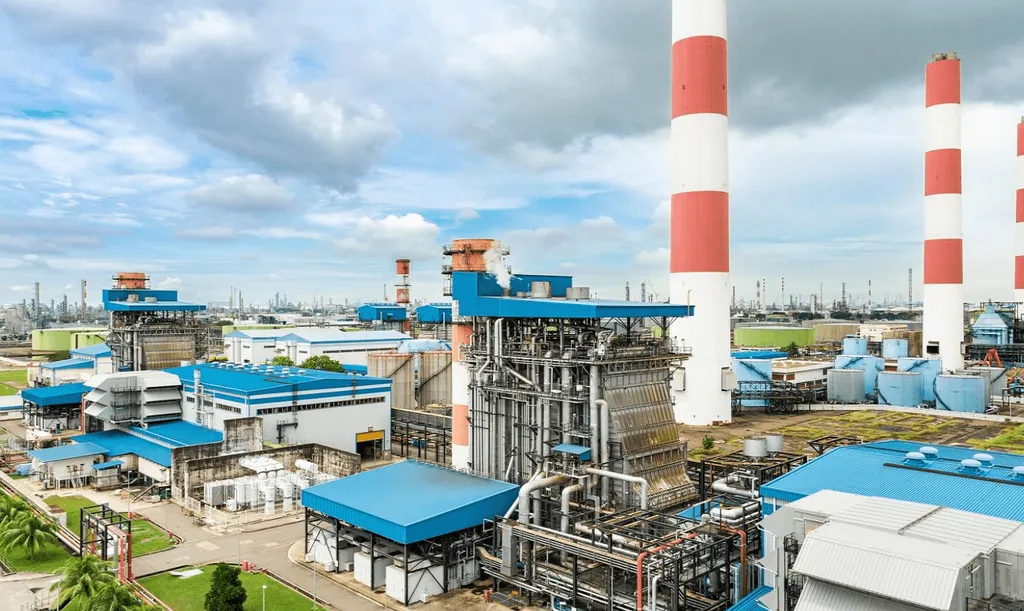
Singapore’s bold move to construct a 600 MW hydrogen-ready power plant signals a significant shift in Asia’s energy landscape, with potential reverberations across global markets. The Keppel Sakra Cogen Plant, set to commence operations in the first half of 2026, is not just a testament to Singapore’s commitment to decarbonization but also a strategic pivot that could reshape regional energy dynamics and investment flows.
The plant’s initial reliance on natural gas, with a 30% hydrogen blend, underscores the transitional nature of the energy sector. This hybrid approach allows for a gradual shift towards full hydrogen utilization, mitigating risks associated with sudden technological leaps. The plant’s advanced combined cycle gas turbine technology, capable of reducing CO2 emissions by up to 220,000 tons annually, sets a new benchmark for efficiency and sustainability in the region.
Singapore’s decision to invest nearly S$750 million in this project is a clear vote of confidence in hydrogen’s role in the future energy mix. The plant’s strategic location on Jurong Island, a hub for energy and chemicals industries, ensures immediate industrial applications for the steam produced, enhancing the project’s economic viability. This integration of energy production and industrial use could serve as a model for other nations looking to optimize their energy infrastructure.
The Keppel Sakra Cogen Plant’s completion will expand Keppel Infrastructure’s power generation portfolio from 1,300 MW to 1,900 MW, positioning the company to capture a larger market share as Singapore’s energy demand grows. This expansion could spur competition and innovation in the regional energy market, driving other companies to invest in similar high-efficiency, low-emission technologies.
Singapore’s government has set ambitious emission targets, with nearly 40% of the nation’s emissions stemming from the energy sector. The urgency to decarbonize is palpable, and the Keppel Sakra Cogen Plant is a critical step in meeting these goals. The project aligns with global trends, as nations worldwide accelerate their transition to renewable energy sources, reducing reliance on fossil fuels.
The implications for global markets are profound. Singapore’s move could catalyze similar investments in hydrogen-ready infrastructure across Asia, creating new opportunities for technology providers, engineering firms, and financial institutions. The project’s success could also influence policy decisions in other countries, accelerating the adoption of hydrogen as a viable energy source.
Moreover, the plant’s focus on efficiency and sustainability could set new standards for energy projects, encouraging investors to prioritize environmentally friendly initiatives. This shift could lead to a reallocation of capital towards green energy projects, further driving the transition to a low-carbon economy.
In conclusion, Singapore’s hydrogen-ready power plant is more than just a domestic energy project; it is a harbinger of a broader shift in the global energy landscape. As nations grapple with the challenges of decarbonization, Singapore’s bold step could serve as a blueprint for others, shaping the future of the energy sector and inspiring a wave of innovation and investment in clean energy technologies.