
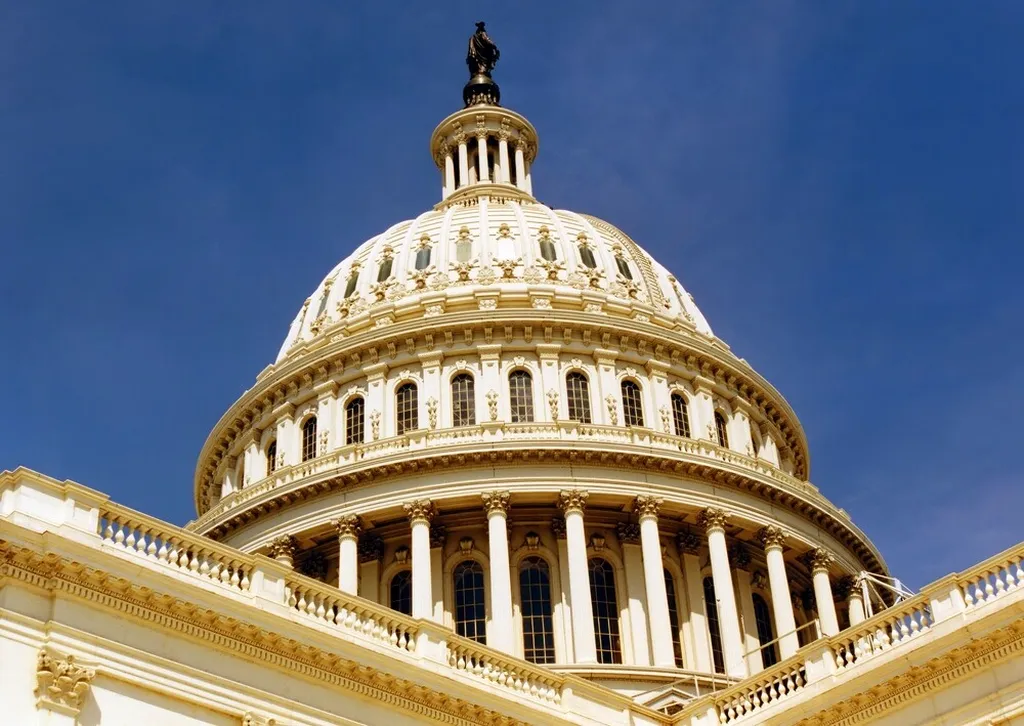
The US House of Representatives last week approved sweeping legislation to accelerate permitting reviews for new energy and infrastructure projects, marking the most significant reform to the National Environmental Policy Act (NEPA) in decades. The bill, which also limits judicial review, aims to meet surging electricity demand and streamline grid infrastructure improvements nationwide. This legislative breakthrough could dramatically reduce project timelines, but its implementation hinges on cooperation from the Trump administration—a prospect that has already sparked controversy and raised questions about the future of renewable energy deployment in America.
At the heart of the reform is a push to modernize NEPA, a bedrock environmental law that requires federal agencies to assess a project’s environmental impacts before approval. The new legislation seeks to make the process faster and more efficient, removing what many developers and policymakers see as bureaucratic bottlenecks. Sens. Sheldon Whitehouse (D-RI) and Martin Heinrich (D-NM) noted that while the bill presents an opportunity for bipartisan progress, trust in the administration’s commitment to fair and lawful implementation is lacking. “There is no path to permitting reform if this administration refuses to follow the law,” the senators warned, pointing to recent executive actions that have disrupted offshore wind projects and undermined confidence in the regulatory process.
The bill’s passage comes at a critical juncture for the energy sector. Demand for electricity is rising, driven by data centers, electrification, and industrial growth. Yet, the pace of infrastructure deployment—especially for renewables and transmission—has struggled to keep up. The new law could unlock billions in stalled projects, but experts caution that its success depends on transparent, science-based reviews. “The devil is in the details,” said one industry analyst. “If permitting becomes a political football, we risk losing the very benefits this reform promises.”
The broader implications are profound. Faster permitting could accelerate the build-out of clean energy, but only if paired with consistent policy support. The Trump administration’s recent moves—such as halting offshore wind projects and targeting climate research—have sent mixed signals, leaving developers and investors uncertain about long-term commitments. As the energy transition gathers pace, the balance between regulatory efficiency and environmental safeguards will define not just project outcomes, but the credibility of US climate leadership on the world stage.