
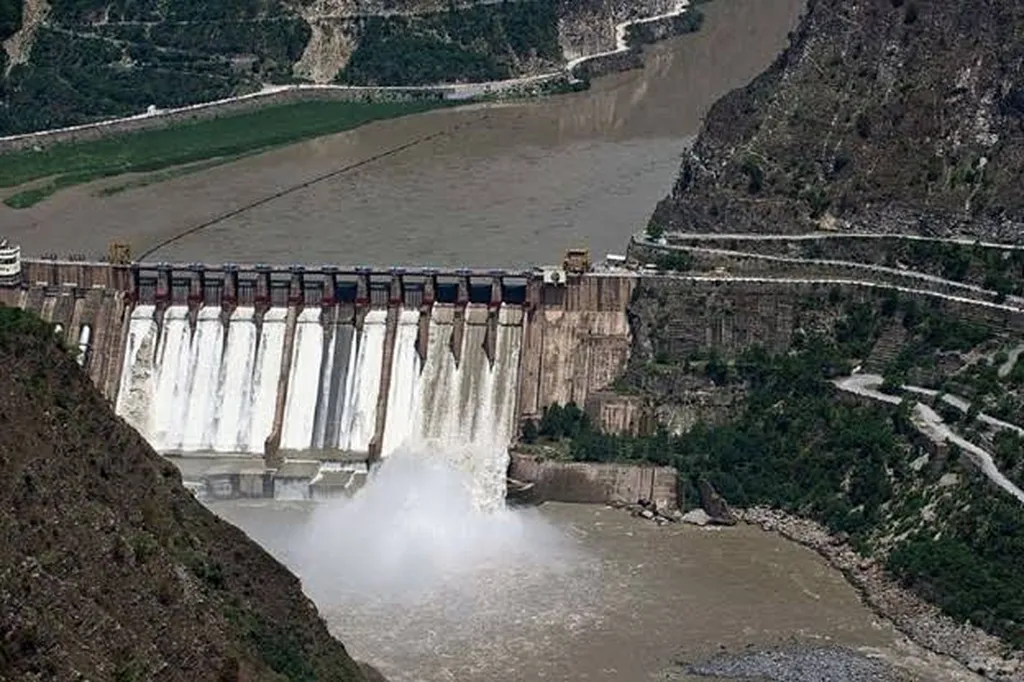
India’s Ministry of Environment has greenlit the 260MW Dulhasti Stage-II hydropower project, marking a significant step in the country’s push to expand its hydropower capacity in the Jammu and Kashmir (J&K) region. The Expert Appraisal Committee for hydropower projects has approved the scheme, paving the way for construction tenders to be issued for the estimated Rs32bn ($356mn) project, according to a Press Trust of India (PTI) report.
The Dulhasti Stage-II project will extend the existing 390MW Dulhasti Stage-I, which has been operational since 2007. Water for the new stage will be diverted from Stage-I through a 3.7km tunnel, feeding a dedicated reservoir. The setup includes a pressure shaft, a surge shaft, and an underground powerhouse equipped with two 130MW turbines, totaling 260MW. The project will require 60.3 hectares of land, with 8.27 hectares sourced from private land in the villages of Benzwar and Palmar, both in Kishtwar district.
This approval comes in the wake of the suspension of the Indus Waters Treaty with Pakistan, following the Pahalgam terror attack in April 2025. The Expert Appraisal Committee noted, “The Indus Water Treaty stands suspended effective from 23 April 2025.” The project is part of India’s broader strategy to harness hydropower potential in the region, particularly in light of changes to water-sharing arrangements with Pakistan.
The approval also follows recent developments in the hydropower sector, including Statkraft’s divestment of its 49% stake in the Malana Power Company to the Indian conglomerate LNJ Bhilwara Group. This deal, finalized in September, included interests in the 86MW Malana and 192MW Allain Duhangan hydropower plants in Himachal Pradesh.
The Dulhasti Stage-II project is poised to contribute significantly to India’s energy mix, particularly in the context of regional geopolitical dynamics and the country’s commitment to renewable energy. As India continues to invest in hydropower, the sector is likely to see increased activity, with a focus on both new projects and the expansion of existing ones. This development could also spur further debate on the balance between energy development and environmental sustainability, as well as the broader implications of shifting water-sharing agreements in the region.