
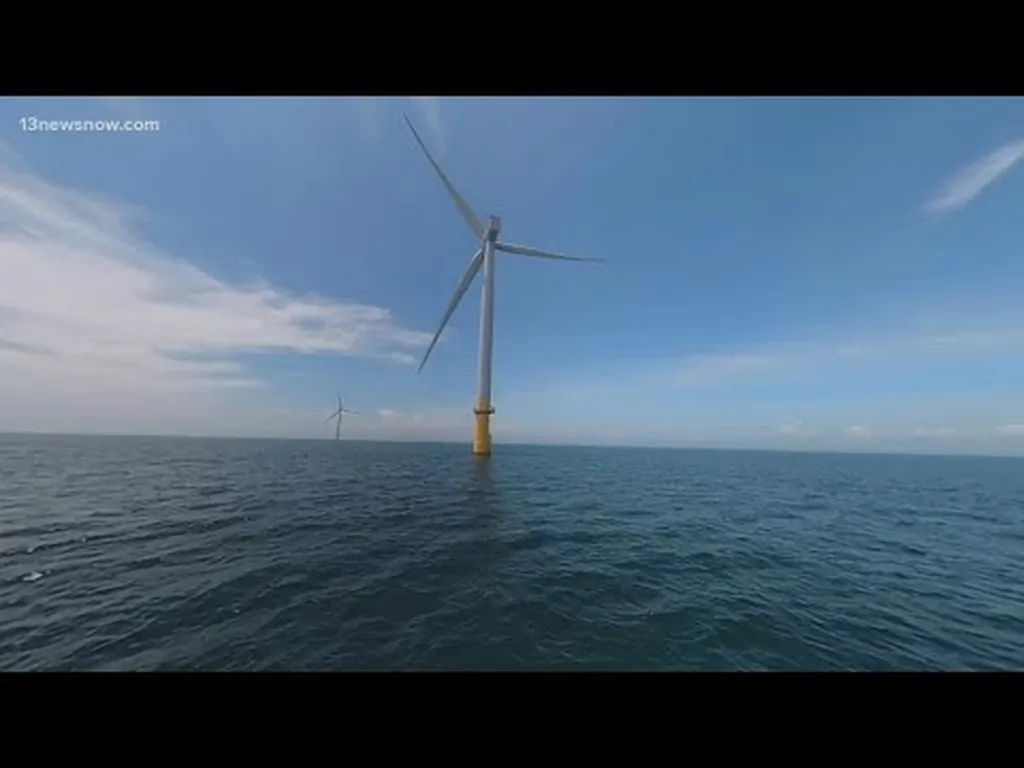
Dominion Energy has taken the unusual step of suing the Trump administration, challenging a recent order to halt construction on all five U.S. offshore wind farms currently under development. The lawsuit, filed last week, comes after the Department of the Interior’s Bureau of Ocean Energy Management (BOEM) issued a stop-work order for Dominion’s 2.6GW Coastal Virginia Offshore Wind (CVOW) project, citing unspecified national security concerns.
The timing of the order is particularly contentious, as Dominion had just begun turbine installation for the $11.2 billion project. In its complaint, Dominion argues that BOEM’s order “sets forth no rational basis” and is “arbitrary and capricious.” The company further contends that the order violates the Outer Continental Shelf Lands Act and infringes upon constitutional principles that limit executive branch actions.
Dominion has already invested approximately $8.9 billion in the CVOW project, with costs being borne by the company’s energy customers. The lawsuit emphasizes that any delay in construction could disrupt the availability of specialized vessels, equipment, and labor, potentially derailing the project’s strict timeline.
The lawsuit marks a significant escalation in tensions between the offshore wind industry and the Trump administration, which has repeatedly expressed skepticism about the sector’s economic and environmental benefits. If successful, Dominion’s legal challenge could set a precedent for other wind farm developers facing similar hurdles.
The outcome of this case will be closely watched by industry stakeholders, as it may influence the pace and scale of offshore wind development in the United States. A ruling in Dominion’s favor could embolden other developers to push back against regulatory obstacles, while a decision upholding the administration’s order could signal a more significant hurdle for the sector. Regardless of the outcome, the lawsuit underscores the complex interplay between energy development, regulatory oversight, and national security considerations.