
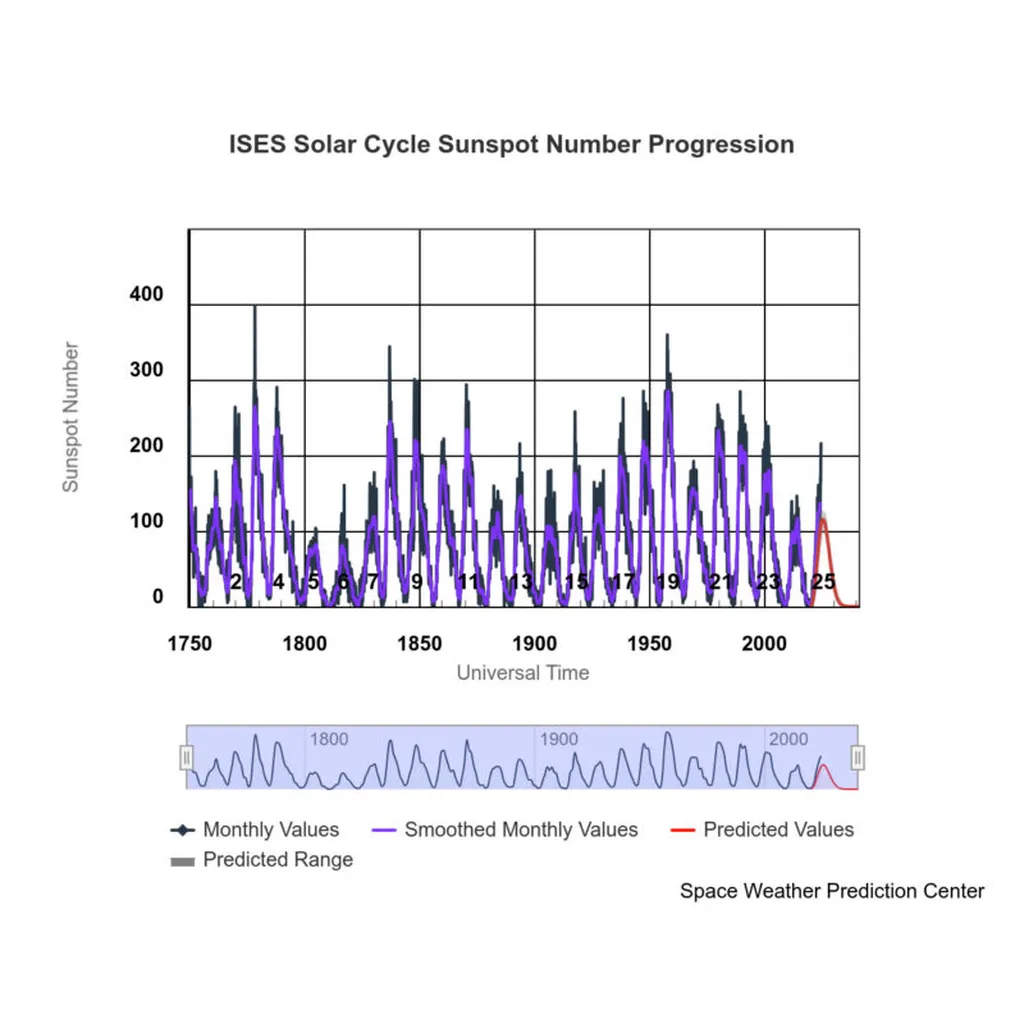
A team of researchers from the University of Cambridge, led by Caitlin LaNeve and including Edward J Oughton, Noah Rivera, Lucy Wilkerson, Robert S Weigel, Dean Thomas, and CT Gaunt, have conducted a comprehensive study on the mitigation strategies employed by critical infrastructure operators during the 2024 solar maximum. Their work, published in the journal Space Weather, provides valuable insights into how the energy sector and other industries can better prepare for and respond to space weather events.
The study focuses on the Gannon Storm, a significant space weather event in May 2024 that caused auroras as far south as 35° latitude. Such events can disrupt electricity transmission networks, satellite operations, and aviation systems. The researchers aimed to fill a gap in the literature by systematically reviewing mitigation strategies and gathering firsthand accounts from infrastructure operators.
The team surveyed 303 critical infrastructure operators, including 50 power companies, 227 satellite operators, and 26 aviation entities. They received 55 responses, representing an 18% response rate. Additionally, they conducted qualitative interviews with 33 operators to capture detailed narratives of the mitigation actions taken and the impacts experienced during the solar maximum.
The research identified 91 potential mitigation actions across the sectors and found that 149 specific actions were enacted in response to space weather forecasts and impacts. This study is one of the first to exhaustively examine space weather mitigation activities, moving beyond the traditional focus on impacts alone.
For the energy sector, the findings highlight the importance of proactive measures in managing space weather risks. Electricity transmission networks, for instance, can benefit from strategies such as reconfiguring grids to minimize exposure, implementing protective measures for critical equipment, and enhancing real-time monitoring and communication systems. Satellite operators can adopt similar measures, including adjusting satellite orbits, implementing protective shielding, and improving ground station resilience.
The study underscores the need for continued research and collaboration among infrastructure operators, policymakers, and scientists to develop and implement effective mitigation strategies. By learning from the experiences of the 2024 solar maximum, the energy sector and other critical infrastructure providers can better prepare for future space weather events, ensuring the reliability and security of their operations.
This article is based on research available at arXiv.