
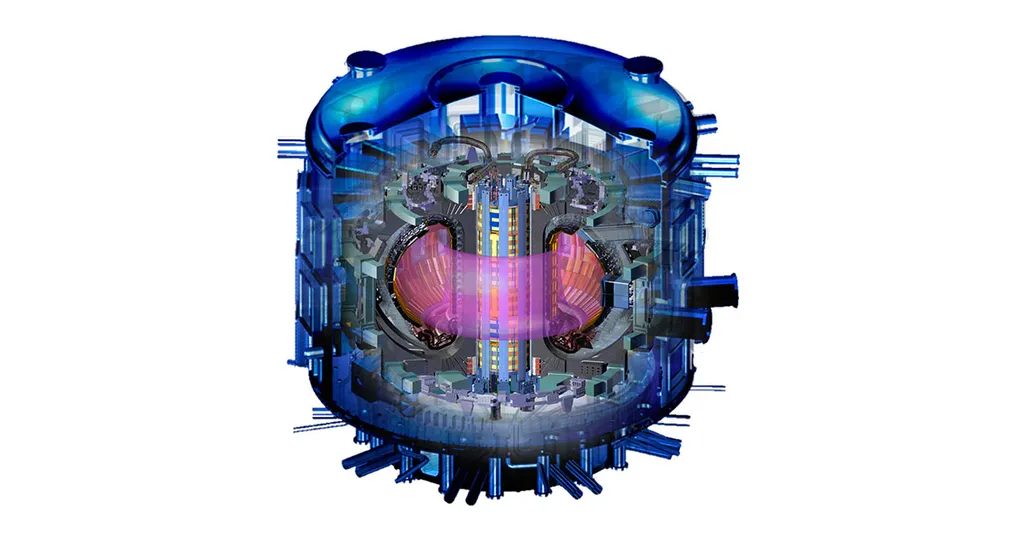
This week, the global energy sector witnessed a landmark achievement: UK-based Tokamak Energy successfully demonstrated a magnetic field strength of 11.8 Tesla at a temperature of -405.4°F, a critical step toward making fusion energy a practical reality. This breakthrough, achieved with their Demo4 high-temperature superconducting (HTS) magnet, validates a key technical solution for delivering clean, limitless, and secure fusion energy to the grid. For an industry long hampered by the twin challenges of extreme temperatures and magnetic confinement, this advance represents not just incremental progress, but a potential inflection point in the quest for commercial fusion power.
At the heart of Tokamak Energy’s innovation is the use of high-temperature superconductors, which allow for stronger magnetic fields and more efficient plasma confinement than traditional materials. The Demo4 magnet’s performance—operating at temperatures far colder than outer space—demonstrates the feasibility of scaling fusion reactors to commercial sizes. Unlike previous iterations, which struggled with energy loss and instability, Demo4’s design leverages over a decade of HTS research, offering a pathway to net energy gain and, ultimately, grid integration. “This isn’t just about achieving a number; it’s about gaining the confidence and build expertise to scale our technology for future energy-producing fusion systems,” said Graham Dunbar, Demo4’s chief engineer, in a company press release.
The significance of this breakthrough cannot be overstated. Current fusion experiments, such as those at ITER, rely on low-temperature superconductors and face significant engineering and cost hurdles. Tokamak Energy’s approach, by contrast, promises smaller, more affordable reactors that could be deployed within the next decade. This aligns with the urgent need for carbon-free baseload power—a gap that neither intermittent renewables nor conventional nuclear can fully address. The ability to generate magnetic fields of this strength at such extreme temperatures also opens new avenues for reactor design, potentially accelerating the timeline for fusion’s commercial viability.
For policymakers and industry leaders, this development underscores the importance of sustained investment in fusion R&D. While challenges remain—including materials science, regulatory frameworks, and public acceptance—the Demo4 milestone is a powerful reminder that fusion is no longer a distant dream, but an emerging reality. As the world races to decarbonize, fusion’s promise of abundant, safe, and dispatchable energy could redefine the global energy landscape, offering a compelling alternative to fossil fuels and a complement to renewables. The question now is not if fusion will arrive, but how quickly it can be scaled—and who will lead the charge.