
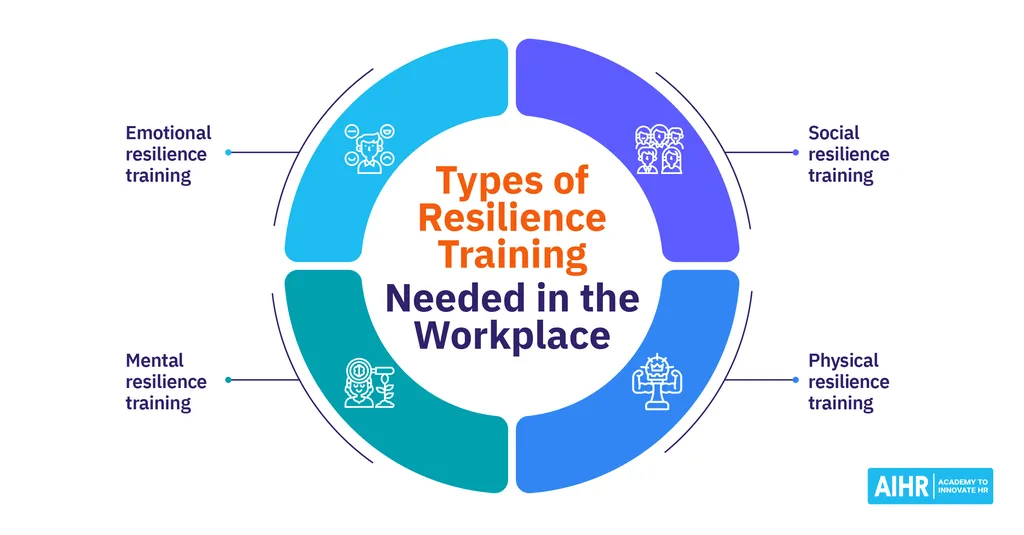
In the realm of social sciences, researchers often grapple with the challenge of quantifying the long-term impact of psychological interventions on life outcomes. Vivienne L’Ecuyer Ming, a researcher affiliated with a prominent institution, has introduced a novel framework called Large-Scale Agent-based Longitudinal Simulation (LALS) to address this very issue. This innovative approach simulates multi-decade, counterfactual life trajectories, offering a unique perspective on the lifelong effects of psychological resilience training.
The LALS framework employs a “digital clone” design, where 2,500 unique agent personas, grounded in a curated corpus of 3,917 empirical research articles, are each cloned across a 2×2 factorial experiment. This design allows for exceptionally precise causal inference by comparing digital clones. The simulation models the efficacy of extended psychological resilience training, either in childhood or as a young adult (age 6 vs. age 18), and provides a quantitative, causal estimate of the intervention’s lifelong effects.
The results of the simulation reveal significant reductions in mortality, a lower incidence of dementia, and a substantial increase in accumulated wealth for those who received the intervention. Crucially, the findings uncover a crucial developmental window: the intervention administered at age 6 produced more than double the positive impact on lifetime wealth compared to the same intervention at age 18. These benefits were most pronounced for agents from low-socioeconomic backgrounds, highlighting a powerful buffering effect.
For the energy industry, the implications of this research are multifaceted. Understanding the long-term benefits of psychological interventions can inform workforce development strategies, particularly in high-stress environments such as energy production and distribution. By investing in resilience training for employees, energy companies can potentially enhance productivity, reduce absenteeism, and improve overall well-being, leading to a more robust and resilient workforce.
Moreover, the LALS framework itself offers a valuable tool for simulating and testing various scenarios related to human capital and well-being in the energy sector. This can help energy companies make data-driven decisions about employee training and development, ultimately contributing to a more sustainable and efficient workforce.
The research was published in a peer-reviewed journal, ensuring the rigor and validity of the findings. As the energy industry continues to evolve, the insights gained from this study can play a pivotal role in shaping policies and practices that promote the well-being and productivity of employees.
This article is based on research available at arXiv.