
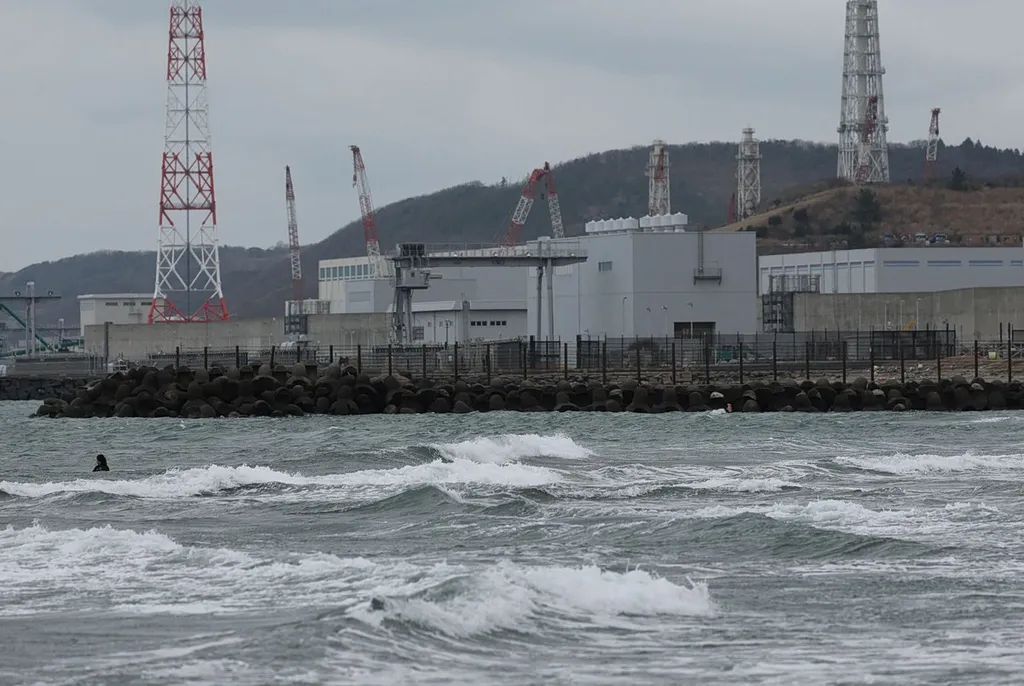
Local government officials in Japan have cleared the path for the restart of a reactor at the world’s largest nuclear power plant, the Kashiwazaki-Kariwa facility. This decision marks a significant step in Japan’s efforts to revive its nuclear power sector, which has been largely dormant since the Fukushima disaster in 2011.
The Kashiwazaki-Kariwa plant, with a total generation capacity of nearly 8,000 MW across its seven reactors, has been idle since early 2012. Its restart would bring the number of operational nuclear reactors in Japan to 15, as the country gradually resumes nuclear power generation. The recent vote of confidence in Niigata prefecture, where the plant is located, supports the restart, although local opposition persists.
The plant, operated by Tokyo Electric Power Co. (TEPCO), plays a crucial role in powering Tokyo, one of the world’s most populous cities. Japan’s current government aims to double the nuclear generation capacity in its energy mix to about 20% by 2040, a goal that the restart of Kashiwazaki-Kariwa would significantly advance.
The plant’s history includes a 21-month shutdown in 2007 following a magnitude 6.6 earthquake that caused small radiation leaks and fires. More recently, in 2021, regulators banned the facility from restarting due to security breaches and falsified safety inspection records. TEPCO, which also operated the Fukushima plant, has pledged to ensure safety and prevent a repeat of past accidents.
TEPCO plans to apply to the Japanese Nuclear Regulation Authority by Wednesday to restart the No. 6 reactor at the Kashiwazaki-Kariwa plant, with operations potentially resuming around January 20 of next year. This development comes as Japan has 33 active nuclear units, including the 14 that have already restarted. The most recent facility to resume operations is the Unit 2 reactor at the Shimane site, which received a POWER Top Plant award for 2025 and came back online in January of this year.
The restart of Kashiwazaki-Kariwa could accelerate Japan’s nuclear power revival, but it also raises questions about public acceptance and the balance between energy needs and safety concerns. As Japan navigates its energy future, the lessons from Fukushima and the commitment to transparency and safety will be crucial in shaping the sector’s development.