
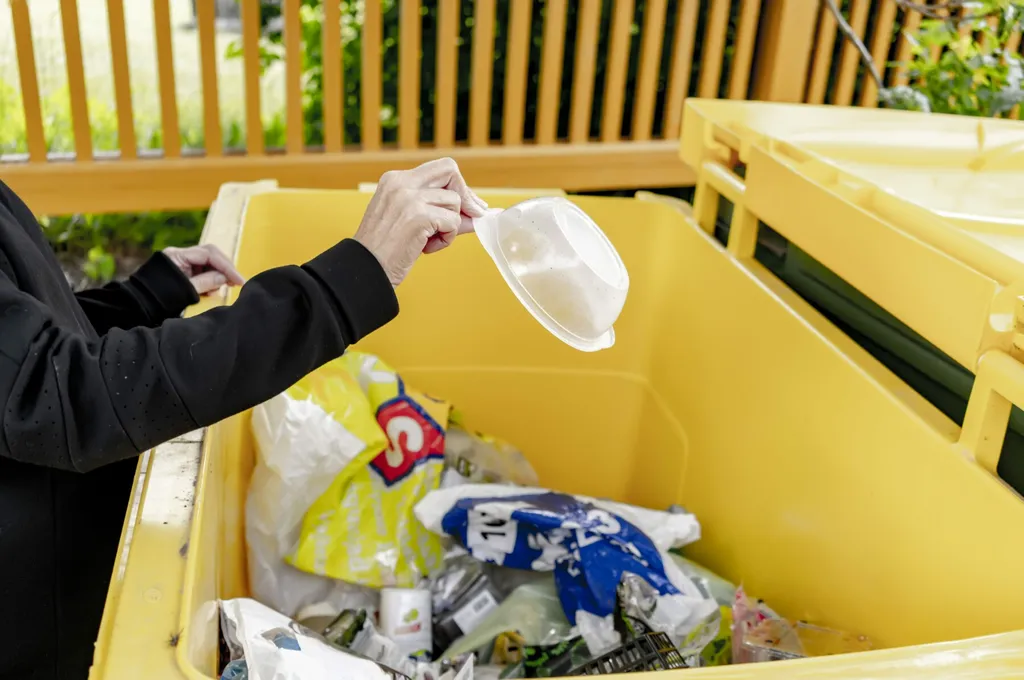
In the realm of energy and sustainability, a team of researchers from the University of Helsinki and Aalto University in Finland have turned their attention to a critical aspect of waste management: household plastic recycling. Led by Ashley Colley, Emma Kirjavainen, Sari Tapio, and Jonna Häkkilä, their work offers valuable insights into the challenges faced by consumers and potential solutions that could enhance recycling efforts.
The researchers conducted two qualitative studies to understand the nuances of household plastic recycling in Finland. The first study involved short interviews with residents about their plastic packaging storage, sorting, and disposal habits. The findings revealed several recurring issues: limited space for storing recyclables, improvised storage solutions, uncertainty about correct sorting methods, and difficulties in handling bulky or dirty items. These insights highlight the practical challenges that can hinder effective recycling at the household level.
The second study focused on laundry detergent packaging, which often results in large plastic containers. Participants in this study prioritized price and cleaning performance when making purchase decisions, but they also expressed concern about the environmental impact of these containers. Confusion about materials, the need to rinse containers, and their recyclability were common themes. This study underscores the need for clearer information and better design to facilitate recycling.
Building on these insights, four student groups designed interactive recycling concepts that integrate physical bins or bags with mobile applications. These concepts explore modular storage solutions, sensing and compaction technologies, playful feedback mechanisms, and reward schemes to support and incentivize domestic recycling routines. The designs aim to address the identified frictions and make the recycling process more efficient and user-friendly.
The research points to significant design opportunities at the intersection of packaging, home infrastructure, and digital services. However, it also raises important questions about the feasibility, privacy implications, and potential costs of implementing new devices and technologies. The findings were published in the Proceedings of the 2023 CHI Conference on Human Factors in Computing Systems, offering a valuable contribution to the ongoing efforts to improve recycling practices and reduce plastic waste.
For the energy sector, this research underscores the importance of considering the entire lifecycle of products, including their disposal and recycling. By understanding the challenges faced by consumers, energy companies and policymakers can develop more effective strategies to promote sustainable practices and reduce the environmental impact of plastic waste. The integration of digital technologies and innovative design solutions can play a crucial role in enhancing recycling efforts and contributing to a more sustainable future.
This article is based on research available at arXiv.