
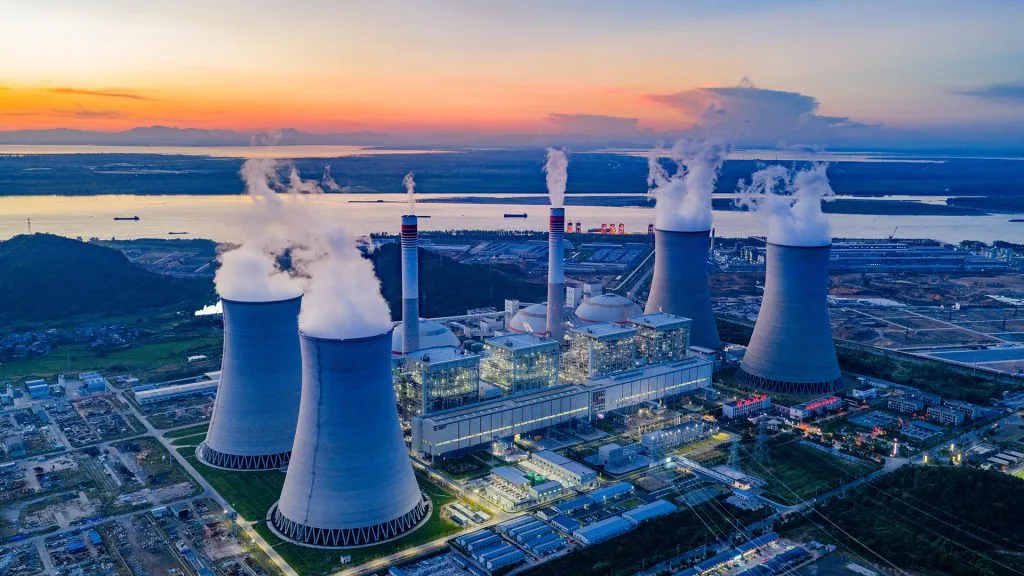
The EURATOM SOCRATES project, launched in 2024, is tackling a critical yet often overlooked aspect of nuclear safety: the behaviour of radioactive materials in liquid form during and after severe nuclear power plant (NPP) accidents. This initiative, spanning five years, aims to bridge significant knowledge gaps and develop innovative solutions for managing the so-called ‘liquid source term’—radioactive materials present in water pathways such as containment sums, cooling water, or groundwater.
The Fukushima Daiichi disaster underscored the urgent need for such research. The accident highlighted the formidable challenges of treating vast volumes of contaminated water and understanding how radionuclides behave in aqueous environments. SOCRATES is responding to these challenges by focusing on both existing large nuclear power plants and future small modular reactors (SMRs), which may be sited near densely populated areas, raising the stakes for effective accident management.
The project is structured around three core objectives: reviewing current knowledge, conducting experimental research, and developing mathematical models. The first phase involves a comprehensive review of existing knowledge on liquid source term phenomena, with a particular emphasis on evaluating the capabilities of current accident analysis codes. This review will establish a baseline for the project and integrate findings across all investigated areas.
Experimental research forms the backbone of SOCRATES. The project is developing a database on water chemistry during nuclear accidents, cataloguing materials that could interact under various accident scenarios. Experiments will focus on the behaviour of key fission products like caesium (Cs) and strontium (Sr) in water, as well as fuel debris leaching, including tests with real corium samples. This data will be instrumental in developing accurate computer models.
The third major component involves defining key chemical processes for Cs, Sr, and uranium (U) in the liquid phase and developing mathematical models to predict and manage the release of radioactive materials. These models will address various scenarios involving the behaviour of fission products in aqueous environments during severe accidents. The ultimate goal is to validate these models and integrate them into European safety analysis codes, such as ASTEC and AC2, to support accident management actions.
Beyond modelling, SOCRATES is also exploring innovative absorbent materials to mitigate the release of radioactive materials. Promising candidates include zeolites, clays, metal-organic frameworks (MOFs), and silicas. The project will demonstrate the performance of these materials, including their synthesis.
Additionally, SOCRATES is developing a miniature radiochemical laboratory to enable early measurement of radionuclides of interest, such as Cs and Sr. This portable laboratory will enhance the project’s ability to monitor and respond to accidents in real-time.
Effective communication and dissemination of results are also crucial. SOCRATES will prepare scientific publications, educational materials, and organise a researcher mobility programme to share findings and foster collaboration.
The project brings together a consortium of leading research institutions and industry partners, including VTT, ASNR (formerly IRSN), CEA, Chalmers, CIEMAT, EDF, ETH, Framatome, GRS, JRC, KTH, KU, NUVIA, PSI, RUB PSS, SSTC NRS, and UL. This collaboration ensures that the project’s outcomes will have a broad and lasting impact on nuclear safety.
The SOCRATES project is poised to shape the future of nuclear safety by providing innovative solutions for managing liquid source terms. By advancing scientific knowledge and technological capabilities, it contributes to mid- to long-term accident management, enhancing safety, environmental protection, safe waste management, and public wellbeing. The insights and tools developed by SOCRATES will be invaluable for both current and future nuclear power plants, ensuring that the sector is better prepared to handle severe accidents and protect communities.
For those interested in following the progress and results of the SOCRATES project, joining the End-User Group is an excellent way to stay informed. Contact [email protected] to learn more and get involved.