
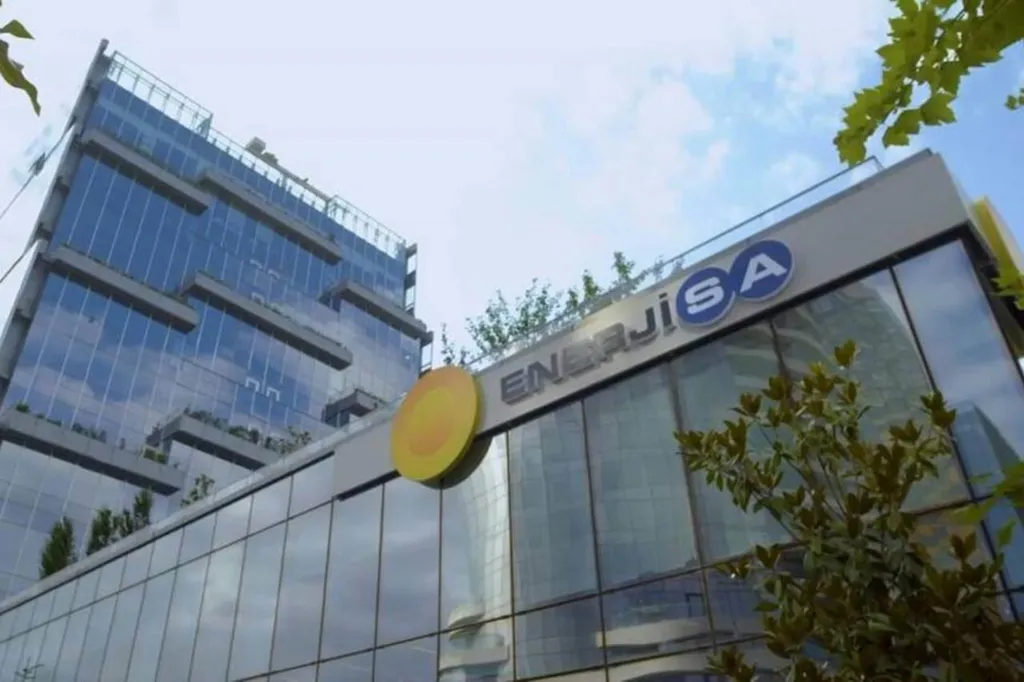
The European Bank for Reconstruction and Development (EBRD) has inked a $200 million (€172 million) deal to bolster wind power facilities in Muğla, Türkiye, marking a significant stride in the country’s renewable energy landscape. The financing, earmarked for Enerjisa Enerji Üretim (Enerjisa Üretim), a Turkish independent power producer co-owned by Sabancı Holding and E.ON, will underpin the construction of wind plants with a combined capacity of 250MW. This project is a slice of Enerjisa Üretim’s ambitious 1GW wind energy portfolio, poised to generate around 630GWh of electricity annually. The anticipated outcome? A substantial reduction of approximately 221,000 tonnes of CO2 emissions each year.
EBRD’s head in Türkiye, Şule Kılıç, underscored the bank’s commitment to scaling up renewables, noting that the project will not only augment green energy capacity but also deliver broader economic and social benefits. This initiative aligns with Türkiye’s renewable energy targets and net zero commitments, while chipping away at the country’s reliance on fossil fuel imports.
Beyond the immediate environmental and economic gains, the project is set to address workforce transitions in the energy sector. Enerjisa Üretim will establish a vocational qualification and certification centre, offering nationally accredited training programmes. These programmes are designed to reskill workers from the coal sector, opening doors to employment in renewables, agriculture, and tourism. This move underscores Enerjisa Üretim’s Just Transition agenda, ensuring that the shift towards a green economy is inclusive and equitable.
Enerjisa Üretim CFO Mert Yaycıoğlu emphasized the company’s commitment to accelerating Türkiye’s energy transition through sustainable investments. With a substantial pipeline of renewable energy projects, the company views renewables not just as a growth area, but as a long-term responsibility towards energy security and climate resilience.
This development comes on the heels of EBRD’s recent financing packages for wind farms in Egypt and Lithuania, highlighting the bank’s strategic focus on scaling up renewable energy projects across diverse geographies. As Türkiye continues to diversify its energy mix, partnerships like these are instrumental in reinforcing the country’s role in the global green energy transformation. The ripple effects of this investment could very well catalyse further innovation and collaboration in the sector, setting a precedent for other emerging markets.