
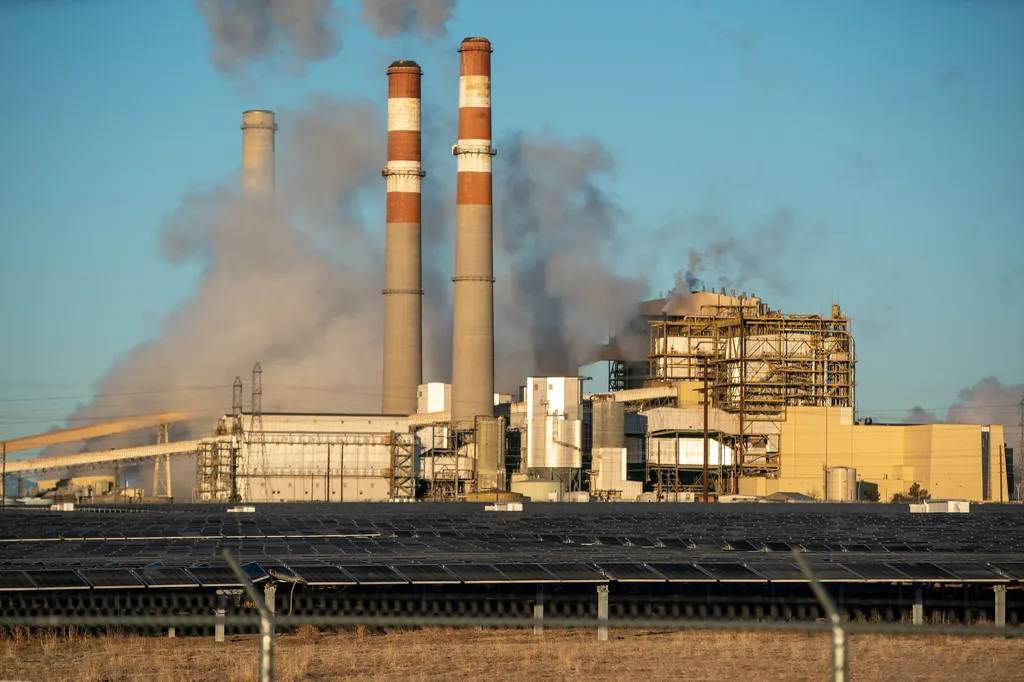
The Trump administration has ordered the last coal-fired power plant in Washington state to remain operational, citing an alleged energy emergency in the region. The U.S. Department of Energy (DOE) directed TransAlta, a Calgary-based independent power producer, to keep the 730-MW Centralia Unit 2 online, despite its scheduled closure by year-end. DOE Secretary Chris Wright asserted that the region faces an energy emergency, a claim contested by several states and power industry experts.
The DOE’s order comes as the House of Representatives passed legislation aimed at forcing utilities to keep coal-fired units operating beyond their scheduled retirement dates. The “Power Plant Reliability Act,” sponsored by Rep. Morgan Griffith (R-Va.), grants the Federal Energy Regulatory Commission (FERC) new authority to require utilities to continue operating power plants if their closure would threaten grid reliability. The bill passed 222-202, with support from some Democrats.
The DOE has previously issued similar orders to coal-fired plants in Michigan and Pennsylvania, and industry analysts expect at least five other coal-fired plants to receive the same directive. Wright argued that the Trump administration’s actions are necessary to prevent blackouts and ensure affordable, reliable energy. “The last administration’s energy subtraction policies had the United States on track to experience significantly more blackouts in the coming years—thankfully, President Trump won’t let that happen,” Wright said.
However, legal challenges to the DOE’s orders are already underway in federal court. The suits, centered on the J.H. Campbell power plant in Michigan and the Eddystone power plant in Pennsylvania, argue that the DOE has not shown evidence of energy emergencies. Grid operators for both regions had signed off on the closures, stating that the retirements would not impact power supply reliability.
The Sabin Center for Climate Change Law at Columbia Law School noted that government research and independent assessments contradict President Trump’s findings about insufficient energy supply and grid unreliability. The group acknowledged legitimate grid reliability challenges, such as those brought on by extreme weather events caused by climate change, but stated that current energy supply and price conditions do not constitute a national emergency.
The DOE’s emergency order for Centralia noted that the North American Electric Reliability Corporation (NERC) determined the WECC Northwest region is at elevated risk during periods of extreme weather. Wright issued a 90-day emergency order, directing the Centralia unit to remain running until March 16, 2026, under the auspices of either the Bonneville Power Administration or the California Independent System Operator.
Washington legislators passed a state law ordering the Centralia plant to retire, and Unit 1 at the site was retired by TransAlta in 2020. The state’s Clean Energy Transformation Act bans the use of coal to produce electricity starting in 2026. Washington Gov. Bob Ferguson stated that the order issued by the DOE would violate that law.
TransAlta’s financial filings show the company has sold the power produced at Centralia on a merchant basis and through long-term contracts. Opponents of keeping U.S. coal-fired plants operating past their scheduled retirements argue that the cost of continuing operations will fall on ratepayers. Consumers Energy reported that the costs of complying with the order for the Campbell plant had reached $80 million through the end of September, with ratepayers in Michigan and 10 other states bearing the burden.
Earthjustice and other advocacy groups argue that the emergency orders amount to a “power grab” by the Trump administration, leading to higher bills for ratepayers and threatening the health of communities served by the facilities. Wright directed TransAlta to propose tariff revisions or seek waivers with FERC to pay for operations at Centralia, stating that rate recovery is available through federal regulations governing energy emergencies.
The DOE’s order raises questions about the future of coal-fired power plants and the balance between grid reliability and environmental regulations. As the Trump administration continues to use emergency orders in the energy sector, the debate over the role of coal in the U.S. energy mix is likely to intensify. The outcome of legal challenges and the potential for further legislative action will shape the development of the sector in the coming years.