
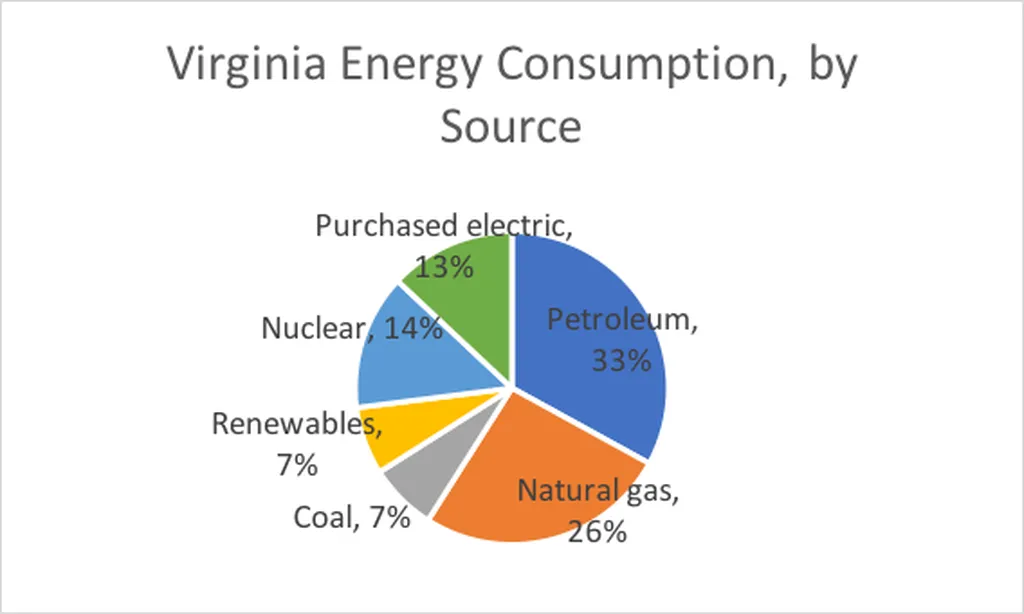
Virginia’s energy landscape is at a crossroads, with recent analysis highlighting the stark contrast between the volatile costs of fossil fuels and the stability offered by renewable energy sources. The data from Dominion Energy and Appalachian Power’s filings at the State Corporation Commission (SCC) paint a clear picture: Virginians are grappling with rising electricity bills, driven primarily by the volatility of fossil fuel prices and significant investments in power system infrastructure.
The implications for the energy market are profound. As utilities continue to invest heavily in gas power plants and associated infrastructure, Virginia households remain financially tethered to a price-volatile and increasingly expensive energy system. This trend is unsustainable, particularly as the U.S. Energy Information Administration forecasts gas prices to more than double by 2026. The recent order by the SCC, aimed at mitigating transmission and distribution system costs brought on by data center energy demand, is a step in the right direction. However, it is a temporary fix in a much larger, more complex issue.
The analysis underscores the need for a fundamental shift in Virginia’s energy strategy. Renewable energy, particularly solar paired with battery storage, is the most affordable and rapidly scalable energy resource available. It offers a path to meet Virginia’s energy needs while keeping electricity prices in check. Policies like the Virginia Clean Economy Act (VCEA) and programs like the Regional Greenhouse Gas Initiative (RGGI) are crucial in this transition. They help stabilize rates in the near term and keep downward pressure on energy costs for the long haul, with the added benefit of driving down climate and health-harming air pollution from the electric power sector.
The monopoly status of utilities, granted over a century ago, has created a system misaligned with the needs of modern Virginians. Utilities profit from a guaranteed return that encourages overspending on expensive infrastructure and outdated power plants. Customers, with no alternatives, are left to bear the brunt of these costs. This model is outdated and needs reform. Policymakers must push utilities toward more stable, lower-cost clean energy solutions to ensure Virginia’s electricity system delivers for customers today.
The market implications are significant. A shift towards renewable energy could spur innovation and competition, driving down costs and improving service. It could also attract new investments in clean energy technologies, creating jobs and stimulating economic growth. However, this transition requires a concerted effort from policymakers, utilities, and consumers. It demands a rethinking of the current energy market structure and a commitment to a more sustainable and affordable energy future.
In conclusion, the analysis of Virginia’s energy costs is a wake-up call. It highlights the urgent need for a shift towards renewable energy sources to stabilize electricity prices and protect Virginians from high costs. The path forward is clear: embrace renewable energy, reform the utility market, and ensure that Virginia’s energy system delivers for its customers in the here and now.