
In the rapidly evolving landscape of the automotive industry, a team of researchers from the Complexity Science Hub Vienna, including Katharina Ledebur, Ladislav Bartuska, Klaus Friesenbichler, and Peter Klimek, has delved into the factors that could predict the emergence and success of the electric vehicle (EV) industry across different regions and firms. Their study, published in the journal “Research Policy,” offers insights into how cross-industry diversification and existing industrial capabilities can contribute to competitive advantage in the EV sector.
The researchers developed a comprehensive analysis using a country-level product space covering all industries and an industry-specific product space encompassing over 900 automotive components. This approach allowed them to identify clusters of parts that are exported together, revealing shared manufacturing capabilities. The study found that closeness centrality in the country-level product space, rather than simple proximity, is a strong predictor of where new comparative advantages are likely to emerge.
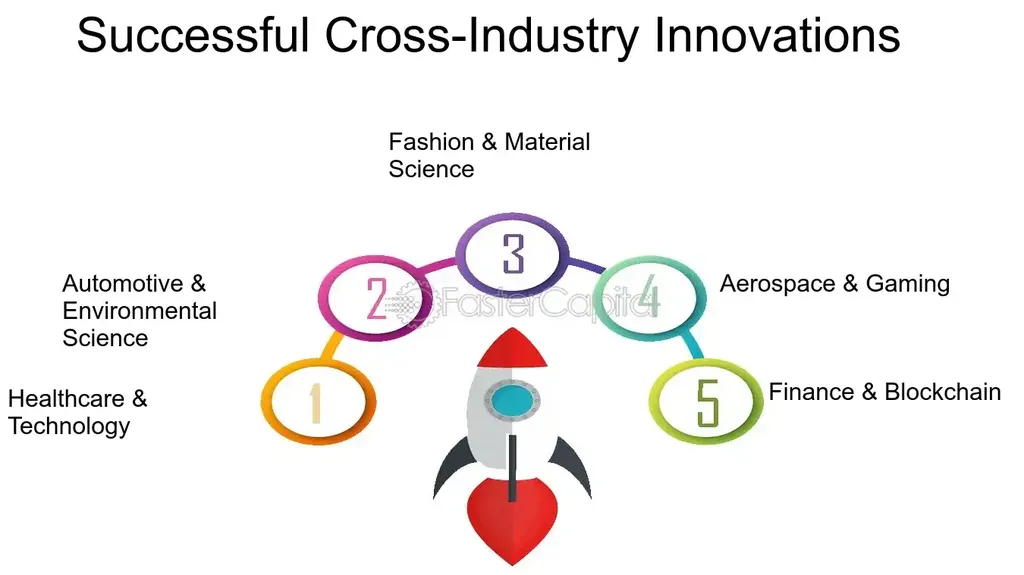
The research highlights that the transition to electric vehicles is fundamentally different from the production of internal combustion engine (ICE) vehicles. Competitiveness in EV production increasingly depends on expertise in electronics, batteries, and software, rather than mechanical capabilities. This shift blurs the boundaries between the automotive sector and other industries, making cross-industry diversification a crucial factor for success.
The study identifies specific sectors that are likely to generate significant competitive advantages in the EV industry. For instance, new strengths in vehicles and aluminium products in the European Union (EU) are expected to generate 5 and 4.6 times more EV-specific strengths, respectively, than other EV-relevant sectors over the next decade. In contrast, China, which is already diversified, is expected to see only 1.6 and 4.5 new strengths in these areas. Countries such as South Korea, China, the US, and Canada show strong potential for diversification into EV-related products, while established producers in the EU may face increased competition.
The findings suggest that the success of the automotive transformation depends on regions’ ability to mobilize existing industrial capabilities, particularly in sectors such as machinery and electronic equipment. This research provides valuable insights for policymakers, industry leaders, and investors looking to navigate the complex landscape of the EV industry and capitalize on emerging opportunities.
Source: Research Policy
This article is based on research available at arXiv.