
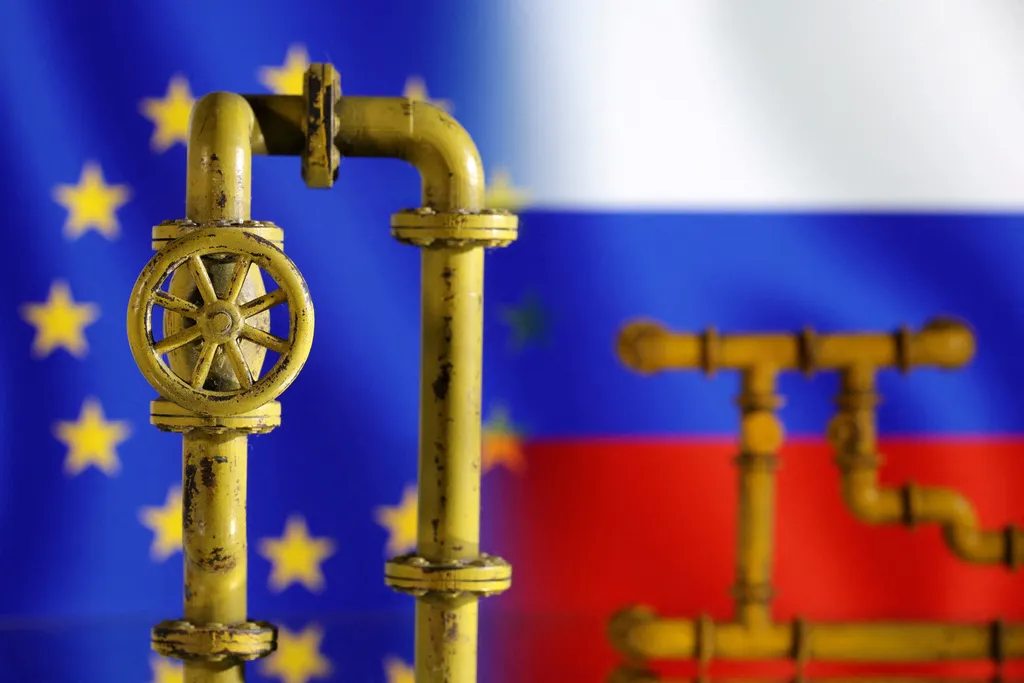
The European Commission has taken a decisive step to reshape Europe’s energy security and market integration, finalizing a sweeping regulation that mandates the phase-out of all Russian gas and oil imports by the end of 2027 and injects €87 billion into cross-border energy infrastructure. The new law, adopted on December 1, 2025, extends the requirement for EU member states to maintain sufficient gas reserves before winter until 2027 and greenlights 235 cross-border energy projects, marking the largest single expansion of the EU’s internal energy market in a decade.
At the heart of the regulation is the RePowerEU roadmap, a coordinated plan to eliminate Russian fossil fuels from EU markets while accelerating the build-out of renewable energy and grid interconnectivity. The Commission’s move comes as Europe grapples with persistent volatility in global energy markets and the urgent need to decarbonize. “This is not just about energy security—it’s about economic resilience and climate leadership,” said Kadri Simson, EU Commissioner for Energy. “By 2027, we will have replaced Russian gas with homegrown renewables and diversified imports, while ensuring no member state is left behind.” The regulation also includes a €20 billion financing mechanism to support over 350,000 European companies in adopting energy efficiency measures, a critical step as industrial demand for clean energy solutions surges.
The policy’s most transformative element is its focus on cross-border infrastructure. The 235 projects, ranging from high-voltage direct current (HVDC) links to hydrogen pipelines, will connect previously isolated regions—such as the Baltic states—to the continental grid, reducing reliance on single suppliers and enhancing market liquidity. Poland’s integration into the EU network earlier this year served as a proof of concept, cutting gas prices in the region by 15% within months. “Interconnectivity is the backbone of energy transition,” noted Simone Tagliapietra, senior fellow at Bruegel. “It allows surplus renewable energy from one country to balance deficits in another, turning variability into an asset rather than a liability.”
Yet, the regulation’s ambition is not without controversy. Environmental groups warn that the extended gas reserve requirement could lock in fossil fuel dependence, while some Eastern European states argue the 2027 timeline for phasing out Russian gas is overly optimistic. Industry analysts, however, point to the regulation’s built-in flexibility: member states can meet targets through a mix of renewables, nuclear, and alternative gas suppliers, provided they demonstrate progress in reducing emissions. “The real test will be implementation,” said Tagliapietra. “Success hinges on rapid deployment of wind, solar, and storage, as well as genuine regional cooperation.”
For the energy sector, the implications are profound. The regulation signals a paradigm shift: from national energy silos to a unified, resilient, and low-carbon market. It also sets a precedent for policy-driven infrastructure investment, challenging other regions to match Europe’s pace. As the EU moves to finalize political agreements before year’s end, all eyes are on whether this bold gambit will deliver on its promise—or expose the limits of top-down energy transition.