
Utilities are increasingly investing in smart technologies to modernize their natural gas infrastructure, leading to improved efficiency and enhanced safety measures. These advancements include “intelligent” pipeline systems that enable continuous monitoring and proactive maintenance, as well as sensors that monitor pressure and flow rates. Smart solutions, such as ultrasonic gas metering, provide utilities with real-time data on consumption, enabling better decision-making and improved operational efficiency.
Brandon Carlson, director of Product Marketing, Water and Gas Network Solutions at Itron, shared insights with POWER on how gas utilities are leveraging technology to build safer energy networks. He emphasized the shift towards placing decision-making intelligence at the edge of the distribution network. Solid-state meters, equipped with pressure and temperature sensors, can detect abnormal conditions and autonomously shut off gas flow, protecting consumers and utility personnel.
The gas sector is experiencing its own “visibility moment” with the adoption of hybrid network architectures that combine cellular, mesh, and drive-by collection to close data blind spots. This innovation allows utilities to address challenging connectivity use cases and improve safety and reliability across the network.
As solid-state meters become more prevalent, they are transitioning from simple billing endpoints to intelligent instruments that enable advanced safety features. Carlson highlighted the paradigm shift from rapid response to preventative action, with meters detecting abnormal conditions and proactively shutting off gas flow.
To ensure that increased sensor density and network intelligence translate into targeted field-level safety interventions, Carlson suggested a layered approach. This includes enabling localized decision-making at the network edge and using software tools to aggregate and prioritize events and alarms.
The integration of shutoff capabilities into network endpoints is transforming emergency response and consumer protection. Automation at the edge allows for proactive prevention, with meters sensing high flow, overpressure, or elevated temperature conditions and autonomously shutting off gas flow.
As hydrogen blending programs expand, sensors, analytics, and network intelligence will play a crucial role in validating safety under changing fuel chemistry. Carlson emphasized the need for sensors and meters that remain compliant with varying fuel mixes and the importance of enhanced sensing and analytics to monitor fuel composition and identify new safety risks.
Utilities operating mixed fleets of legacy and new AMI-enabled devices are learning valuable lessons during the transition period. Carlson stressed the importance of a long-term business strategy and organizational change management to support digital transformation.
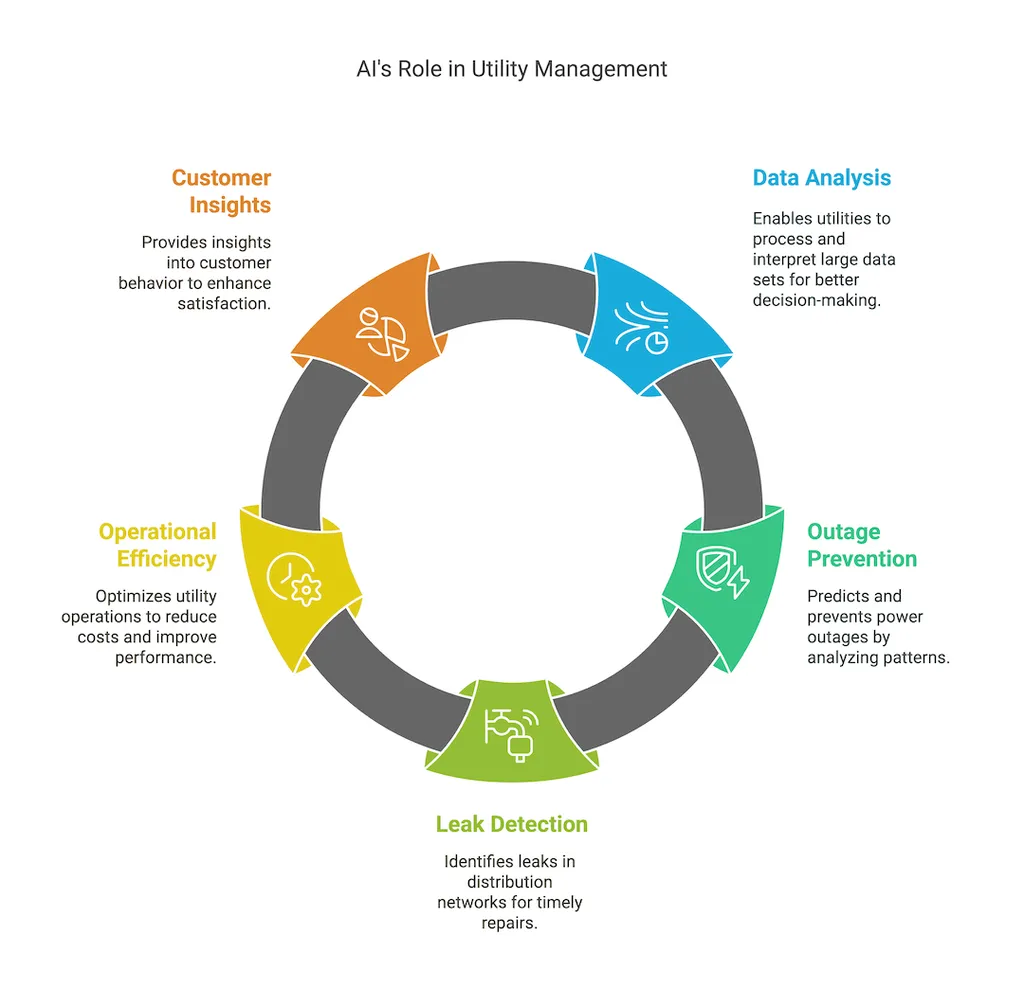
Looking ahead, Carlson expects AI to support predictive leak detection and abnormal usage patterns in the near future. This technology has the potential to significantly enhance safety resilience in the gas sector.
These developments in smart technologies and data analytics are shaping the future of the gas utility sector, driving improvements in safety, efficiency, and customer engagement. As utilities continue to invest in and adopt these innovations, the sector is poised for significant advancements in safety and operational resilience. The ongoing dialogue between industry experts and the implementation of cutting-edge technologies will be pivotal in navigating the evolving landscape of gas utility networks.