
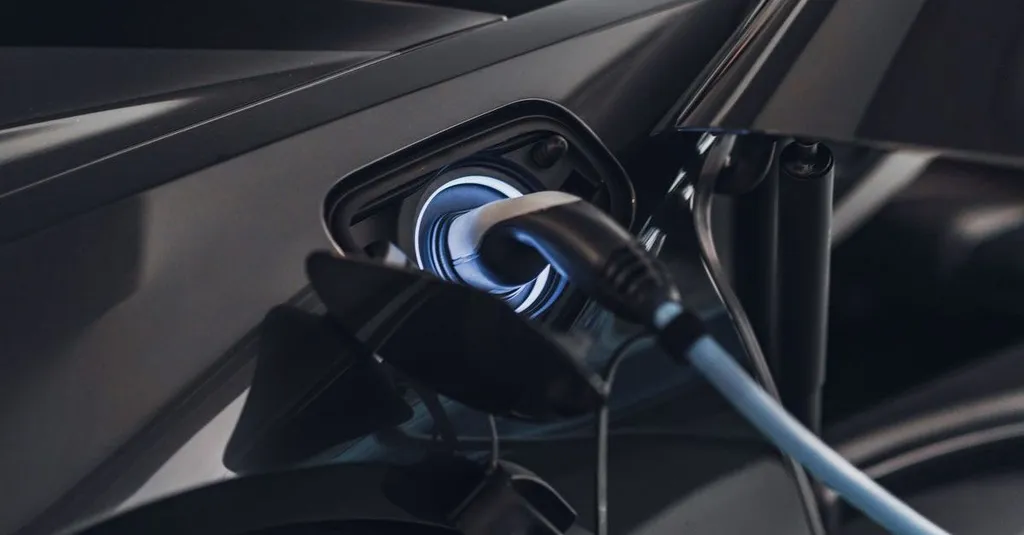
In the realm of energy storage, a team of researchers from the University of California, San Diego, led by Song Zhang, has conducted a comprehensive review of methods to assess the health of retired lithium-ion batteries. Their work, published in the journal Nature Energy, aims to facilitate the safe and economical reuse of these batteries in second-life applications.
Lithium-ion batteries, widely used in electric vehicles and grid storage systems, often have residual life even after their initial use. However, assessing their health accurately is challenging due to factors like sparse measurements, incomplete records, and varying chemistries. Traditional diagnostic methods, such as full charge-discharge cycling and Electrochemical Impedance Spectroscopy, are precise but impractical for large-scale sorting of retired batteries due to their time-consuming nature and equipment requirements.
The researchers reviewed recent advances that address these constraints. They highlighted methods that use minimal testing, synthetic data, and various learning-based modeling techniques to enable robust health predictions even with limited or approximate labels. These methods can handle mixed battery chemistries and diverse operating histories, making them suitable for real-world applications.
The review also compared different methods, revealing trade-offs in accuracy, interpretability, scalability, and computational burden. Looking ahead, the researchers emphasized the need for physically constrained generative models, cross-chemistry generalization, calibrated uncertainty estimation, and standardized benchmarks. These advancements will be crucial for developing reliable, scalable, and deployment-ready health prediction tools tailored to the realities of retired-battery applications.
For the energy industry, this research is significant as it paves the way for more efficient and safe reuse of retired lithium-ion batteries. This can lead to cost savings and reduced environmental impact, as it extends the life of batteries and delays their need for recycling or disposal. The practical applications include better management of second-life battery systems in grid storage and other energy storage applications, ensuring their safe and efficient operation.
Source: Zhang, S., Guo, R., Ge, X., Mahon, P., & Shen, W. (2023). Experimental Methods, Health Indicators, and Diagnostic Strategies for Retired Lithium-ion Batteries: A Comprehensive Review. Nature Energy.
This article is based on research available at arXiv.