
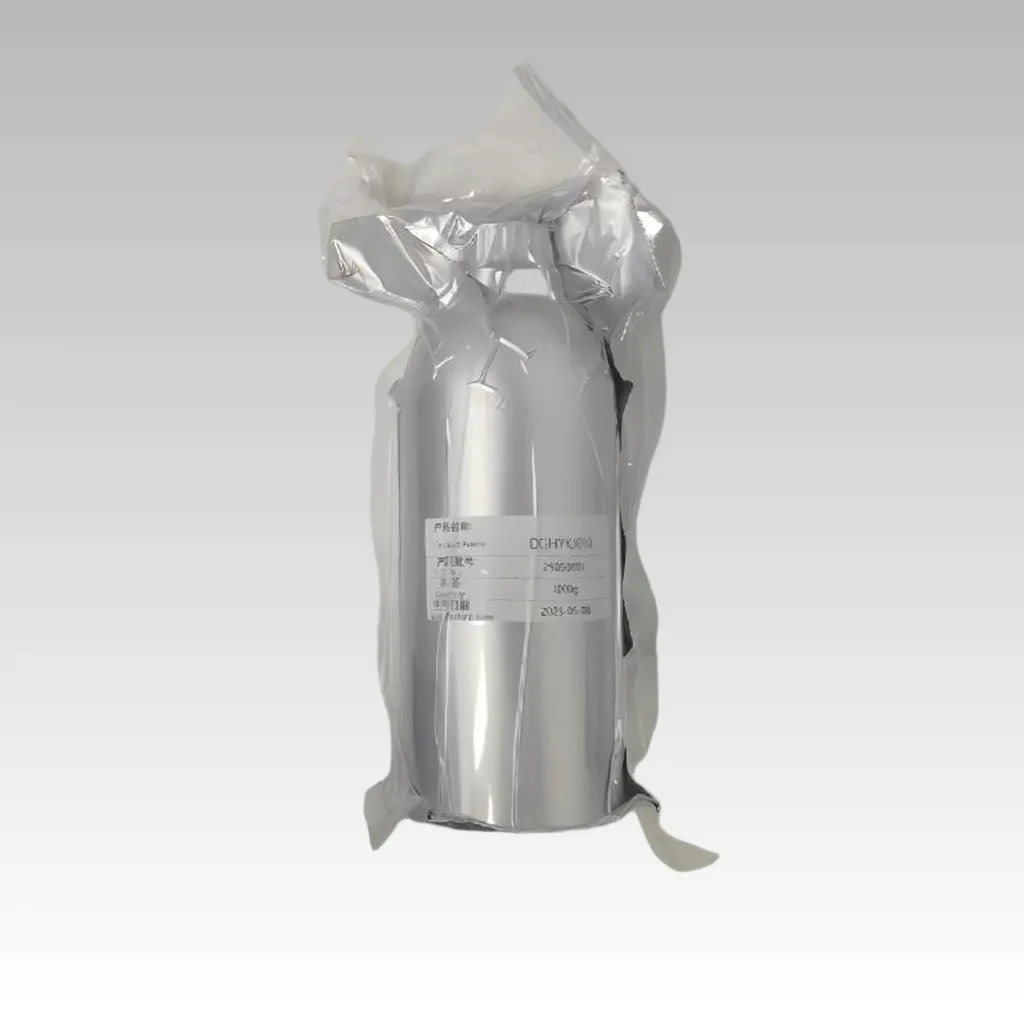
In the realm of energy storage, researchers from the University of California, San Diego, led by Sattajit Barua, Rownak J. Mou, and Koffi P. C. Yao, have been delving into the mysteries of battery additives and their impact on battery life. Their recent study, published in the journal Nature Communications, focuses on the role of fluoroethylene carbonate (FEC) in enhancing the calendar life of silicon anodes, a critical component in next-generation batteries.
The study investigates the long-term effects of FEC additives on high-loading silicon anodes, which are known for their potential to significantly increase battery capacity. Over an extended period, the researchers found that FEC additives can substantially reduce irreversible capacity loss in silicon-lithium iron phosphate (Si-LiFePO4) full cells. Specifically, cells without FEC were projected to fall below 80% of their initial capacity within approximately 22 days, whereas cells with 10 wt% FEC maintained this capacity for about 279 days. This stark contrast highlights the potential of FEC to extend the calendar life of silicon anodes.
The researchers also examined the interphase resistance in symmetric Si-Si cells harvested from electrodes aged with and without FEC. They discovered that cells without FEC exhibited a significant increase in interphase resistance over two months, measuring 10.81 Ohms, compared to only 3.37 Ohms for cells with 10 wt% FEC. This suggests that FEC contributes to a more stable and robust surface passivation film, which is crucial for maintaining battery performance over time.
To understand the underlying mechanisms, the team employed power law modeling and post-mortem analysis techniques such as Fourier-transform infrared spectroscopy (FTIR) and X-ray photoelectron spectroscopy (XPS). Their findings revealed that FEC self-polymerization during idle aging leads to the enrichment of polycarbonate in the solid electrolyte interphase (SEI). This polymer enrichment results in a diffusion-controlled impedance growth behavior, indicating better passivation and stability.
The practical implications for the energy sector are significant. The self-polymerization of FEC during idle aging presents an opportune mechanism to further engineer and extend the life of silicon-based batteries. This could lead to more reliable and long-lasting energy storage solutions, which are essential for the widespread adoption of electric vehicles and renewable energy systems. As the demand for high-capacity batteries continues to grow, understanding and leveraging the benefits of additives like FEC will be crucial for advancing battery technology.
Source: Nature Communications
This article is based on research available at arXiv.