
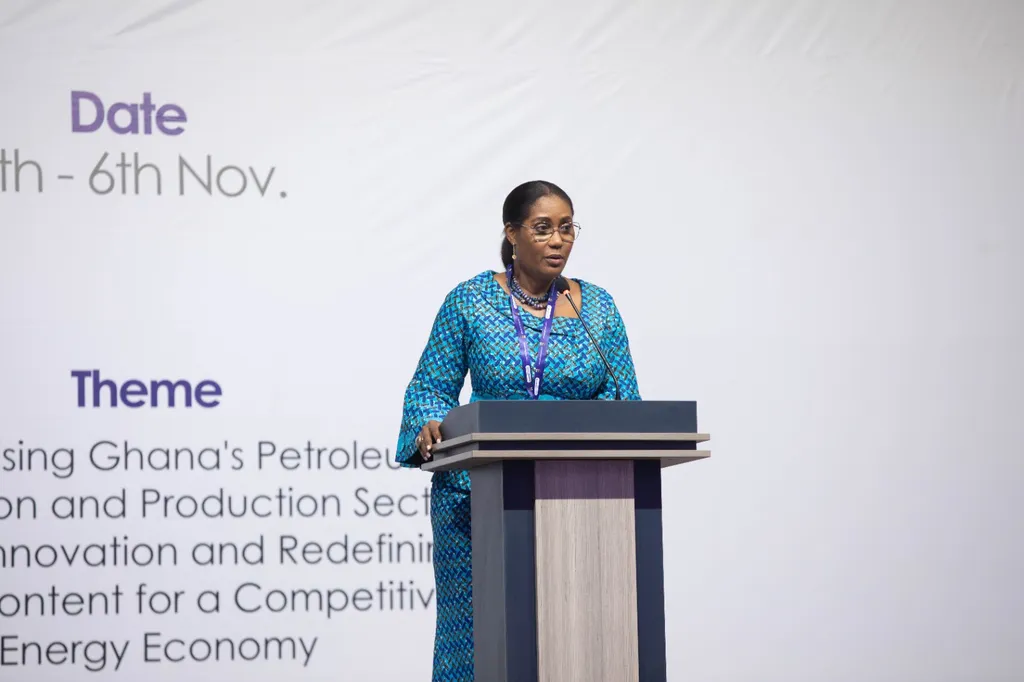
The Ministry of Energy and Green Transition in Ghana has unveiled a series of strategic reforms aimed at stabilizing the country’s power supply and fostering socio-economic development. Deputy Minister Richard Gyan Mensah, speaking at the 9th Ghana Energy Awards, outlined interventions across power generation, distribution, and financing, signaling a comprehensive approach to energy sector management.
The government’s commitment to long-term energy security and economic stability is evident in its recent actions. Notably, the renegotiation of energy sector debt has already yielded significant savings, with $300 million recovered from Independent Power Producers (IPPs). This move, along with other strategic reforms, has begun to address long-standing challenges and restore confidence in the energy value chain.
The impact of these reforms is already visible. Power generation and distribution efficiency have improved, investments in the petroleum sector are on the rise, and renewable energy initiatives are expanding. The addition of over 200 megawatts of solar projects, new mini-grid systems in Ada, and the nationwide rollout of smart streetlights are testament to the government’s commitment to energy security.
The 9th Ghana Energy Awards, held under the theme ‘Repositioning the Energy Sector as a Pillar of National Development,’ brought together policymakers, industry leaders, and stakeholders to celebrate achievements and discuss the future of the energy sector. The event recognized outstanding contributions, with Ing. Edward Obeng-Kenzo of the Volta River Authority and Judith Adwoba Blay of Ghana Gas Company named the male and female energy personalities of the year, respectively.
These developments could significantly reshape the energy market in Ghana. The focus on renewable energy and energy efficiency could attract more investments in these areas, fostering growth and innovation. The government’s commitment to debt renegotiation and strategic reforms could also improve the business environment, encouraging more private sector participation.
Moreover, the emphasis on energy security and economic stability could have broader implications for Ghana’s economy. A stable power supply is crucial for industrial expansion and economic growth. As such, these reforms could pave the way for sustainable industrial development, creating jobs and improving living standards.
However, challenges remain. The success of these reforms will depend on effective implementation and sustained commitment. The government must also ensure that the benefits of these reforms are equitably distributed, leaving no one behind in the transition to a stable and sustainable energy future.
The energy sector is a dynamic and complex landscape, and these reforms mark a significant step towards a more stable and sustainable future for Ghana. As the country navigates this transition, the lessons learned and the strategies employed could offer valuable insights for other nations grappling with similar challenges. The world will be watching, and the implications could extend far beyond Ghana’s borders.