
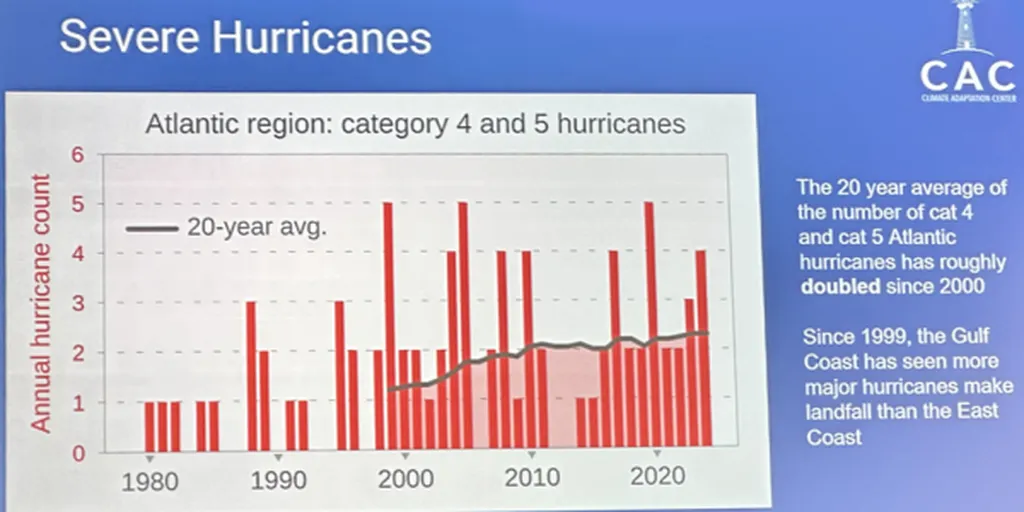
In the world of energy journalism, understanding the impacts of weather patterns on energy infrastructure is crucial. This is especially true when it comes to hurricanes, which can cause significant disruptions to energy systems. A recent retrospective study on the 2025 Atlantic hurricane season, conducted by Charles W. Powell, provides valuable insights into the factors that influenced hurricane activity during that year.
Charles W. Powell, a renowned researcher at the National Hurricane Center, has published a comprehensive analysis of the 2025 Atlantic hurricane season. His findings, which appear in the Journal of Climate, shed light on the unique conditions that led to both quiet periods and intense hurricane activity.
The 2025 Atlantic hurricane season was characterized by above-average activity, despite broad-scale conditions that were generally unfavorable for cyclogenesis. Unlike typical active seasons, common drivers such as La Nina were not present. Instead, short-term variability, including periods of weak wind shear and episodic equatorial wave driving, led to distinct clusters of hurricane activity. When storms were able to overcome these unfavorable conditions, they found ample energy in the form of above-average sea surface temperatures (SSTs) to intensify. This combination of factors resulted in the formation of five hurricanes, three of which reached category five status: Erin, Humberto, and Melissa.
For the energy sector, understanding the conditions that lead to intense hurricane activity is vital for preparing and mitigating potential impacts on energy infrastructure. The findings of this study highlight the importance of monitoring both broad-scale conditions and short-term variability in predicting hurricane activity. By doing so, energy companies can better prepare for potential disruptions and ensure the resilience of their infrastructure.
In summary, the 2025 Atlantic hurricane season was a complex interplay of unfavorable broad-scale conditions and short-term variability that led to intense hurricane activity. The study by Charles W. Powell provides valuable insights into the factors that influenced this activity, which can help the energy sector better prepare for future hurricane seasons. As the energy industry continues to evolve, understanding and adapting to the impacts of weather patterns will be crucial for ensuring the reliability and resilience of energy systems.
This article is based on research available at arXiv.